When I bought my property, the windows looked like one of the least worrying parts of the house.
They opened. They closed. They looked clean enough. The surveyor had been through the property, and nothing about the windows felt urgent.
Then I moved in and discovered that some of the uPVC frames had screws inserted into them, appearing to compensate for failed or failing internal mechanisms.
That hidden problem led to replacement quotes of £14,000, £15,000 and £16,000 before I eventually found out the windows could be repaired for £900.
That experience changed how I look at windows forever.
Who This Article Is For
If you are buying a property for the first time, moving into an older home, or viewing any house where the windows are not brand new, this article is for you. It is also useful for landlords reviewing a rental portfolio, renovators inheriting a property with an unknown maintenance history, and anyone who has just received a window replacement quote that feels too high.
The advice here comes from personal experience rather than industry promotion. It is the article I wish I had found before I exchanged contracts.
What This Article Will Teach You
| What I Learned | Why It Matters for Homebuyers |
|---|---|
| Windows can look fine but still hide expensive problems | Failed springs, screws holding frames in place, poor maintenance and damaged seals may not be obvious during a viewing |
| Repair can be far cheaper than replacement | My final repair cost was £900, compared with replacement quotes between £14,000 and £16,000 |
| Maintenance history matters | Ask when windows were installed, serviced and repaired, and whether warranties still apply |
| Pressure selling should make you pause | “Sign today” discounts and confidential pricing stop buyers from comparing fairly |
| Windows deserve boiler-level attention | Treat windows as a mechanical system with a finite lifespan, not a cosmetic feature |
The Hidden Window Problems I Missed Before Buying
Most people buying a home focus on the obvious risks: the boiler, the roof, the electrics, the damp report, the mortgage valuation and the survey.
Windows rarely get the same level of attention.
That was my mistake.
During viewings, I noticed that certain parts of the property were subtly steered past. Nothing obvious. No locked doors. Just a natural flow to the showing that kept attention moving elsewhere. The windows were one of those areas.
At the time, I did not think anything of it. I knew to check the boiler service history. I knew to ask about the electrics, the consumer unit, and gas certificates. Building Regulations compliance on extensions was on my radar. But nobody had ever told me to inspect the windows in any depth beyond confirming they opened.
What I found after moving in was that the uPVC window frames had screws inserted into them. From what I later discovered, those screws appeared to be compensating for failed or failing internal mechanisms. It looked fine from the outside. The windows opened. They closed. But the underlying maintenance had been deferred for years, and the visible fix was masking the real problem.
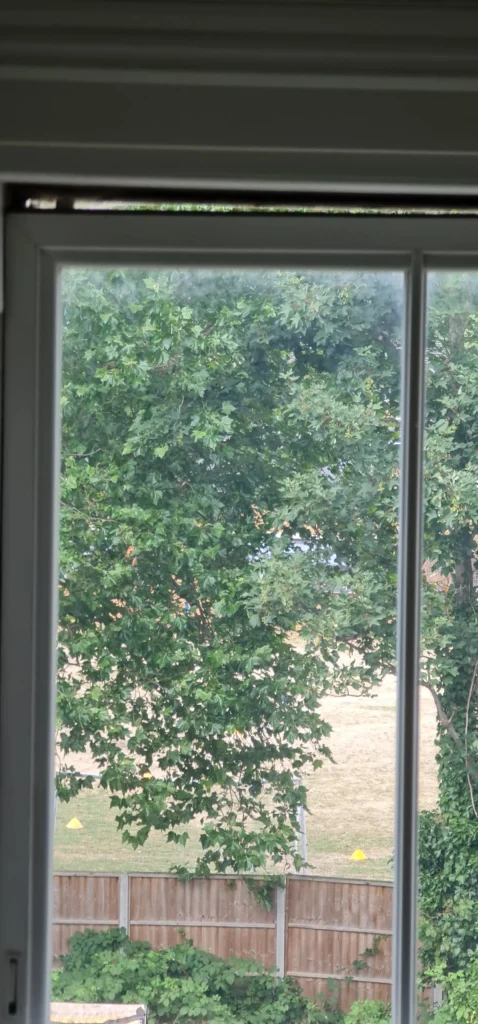
Buyer warning: A window that opens and closes during a viewing is not automatically a healthy window. Check how smoothly it operates, whether it locks properly, whether there are visible screws or sealant patches around the frame, and whether the seller can explain any past maintenance.
The True Scope of the Problem
Once I started looking properly, four windows needed significant attention. The springs in the uPVC frames had failed or were failing. The mechanisms were not operating correctly. The frames had not been cleaned or serviced in a long time.
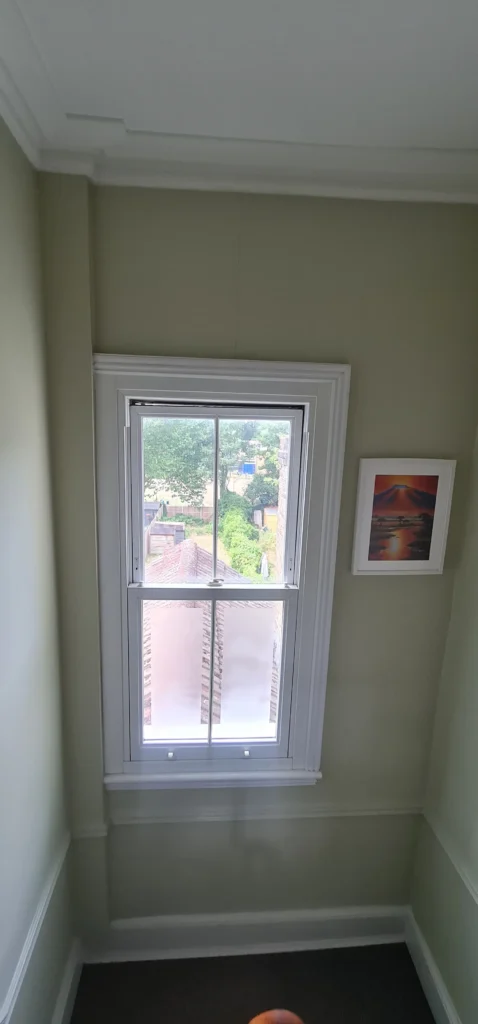
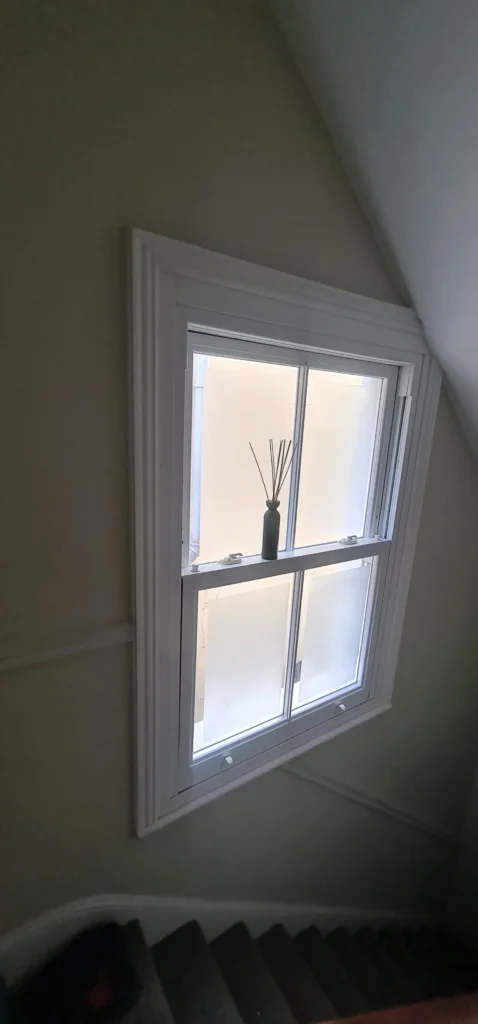
On top of that, the property had a Victorian sash window with its own separate set of problems.
Suddenly, what I had assumed was a minor cosmetic job had become a decision about whether to repair everything, replace everything, or find some middle ground.
When the Victorian Sash Window Rope Snapped
Within the first three months of moving in, the sash rope on the Victorian window snapped.
For anyone who has not experienced this: a sash window operates using a system of cords and counterweights hidden inside the frame. When a rope snaps, the upper sash drops. In my case, it came down hard, and the window was suddenly unusable and unsecured.
I rang around for quotes immediately. What came back turned my stomach.
To repair the window on location — if that was even possible — I was quoted between £900 and £1,700. To take the window to a workshop for a full restoration, the figures were £2,500 to £3,500 and above. And because the window was on the first floor, any work that required removing it would have meant scaffolding on top of those costs. Then there was the waiting time: however long it took to strip the window, source the cord, restore it in a workshop and return it.
In the meantime, I had a first-floor window that could not be secured properly.
My immediate fix was to brace the window to hold it in place. Not a long-term solution. Not what anyone wants to do in a property they have just bought. But it was the only practical option while I worked out what to do next.
This is the part of Victorian sash window ownership that nobody mentions during the viewing. The windows look beautiful. They are a genuine feature of a period property. But they are mechanical systems with ageing components, and when a rope goes, the cost and complexity of the repair can be significantly higher than you expect — especially if the window is above ground level and requires access equipment.
If a property has original sash windows on upper floors, treat that as a specific line item in your budget planning, not background detail.
The uPVC Windows: Repair vs Replacement and the Numbers That Actually Surprised Me
The Victorian sash window was not the only problem. Four uPVC windows across the property had their own set of issues — and this is where the most eye-opening cost comparison came from.
The replacement quotes
I brought in several window companies to give me quotes. The initial figures were far higher than I expected.
The first quote came in at £16,000. The second was £15,000. The third was £14,000. All of them were for full replacement of the windows affected.
Each company had a similar approach. Urgency was built into every visit. “If you sign today, I can hold this price.” “Once I leave, I cannot guarantee these figures.” The implication was always that waiting would cost more.
The maintenance quote
While this was playing out, I tracked down the original window fitters. This was not straightforward because the windows were bespoke sizes, which meant finding the exact springs required going back to the manufacturer.
That process took time. Finding the right model, sourcing the parts, and confirming availability. In total, it stretched to around nine months from start to finish.
The initial maintenance estimate was approximately £750. By the time the job was completed, the final cost was £900.
For four windows, the final cost was £900. Not £14,000. Not £15,000. Not £16,000.
What made the difference
The original fitters confirmed that the windows were still within their warranty period and had a remaining lifespan of between 20 and 25 years. Replacing them was not only unnecessary but would have been a significant financial mistake.
The springs were replaced, the frames were serviced, and the windows worked exactly as they should. The problem was deferred maintenance, not structural failure. Repair was always the right answer. Nobody told me that at the time.
Not sure whether your windows need repair or replacement? Before accepting a full replacement quote, compare repair costs, warranty status and the condition of the existing frames. Read our guide to whether repair or replacement is right for your windows. A second opinion could save you thousands.
Cost of Windows vs Benefits: Are New Windows Actually Worth It?
New windows can be worth the cost when the existing frames are failing beyond repair, the sealed units are blown across most of the property, the installation is so old that servicing is no longer viable, or the windows are presenting a genuine security risk.
But replacement is not automatically the first answer.
In my case, the windows still had 20 to 25 years of life remaining. The problem was not that they were finished. The problem was that they had not been maintained properly. That difference matters enormously, both for your budget and for your decision-making under pressure.
This section applies whether you have just bought a property or are dealing with windows in a home you already own. The same decision framework applies in both situations.
| Option | Best When | Main Benefit | Main Risk |
|---|---|---|---|
| Repair | Mechanisms, springs or seals have failed but frames are still sound | Lowest cost, keeps existing windows usable | May not address deeper frame or glazing problems |
| Replace individual units | One or two windows have failed beyond repair | Targets the problem without full replacement | May not match older windows in style or profile |
| Full replacement | Windows are old, insecure, widely failing or energy performance is a priority | Better performance, security and appearance | Highest cost and most vulnerable to sales pressure |
For more details on each option, see our guides to repairing a failed double glazing seal, replacing just the glass and the ROI of installing new windows.
What does window repair vs replacement actually cost in the UK?
| Scenario | Approximate UK Cost |
|---|---|
| uPVC window mechanism service (per window) | £75 to £200 |
| Failed sealed unit replacement (per unit) | £80 to £150 |
| Sash window cord/rope repair (on location) | £900 to £1,700 |
| Sash window cord/rope repair (workshop restoration) | £2,500 to £3,500+ (plus scaffolding if upper floor) |
| Full uPVC window replacement (per window) | £400 to £900 |
| Full uPVC window replacement (whole house) | £3,500 to £15,000+ |
| Victorian sash window restoration | £500 to £2,000 per window |
| Victorian sash window replacement | £1,200 to £3,000 per window |
The gap between maintenance and full replacement is significant. In my case it was the difference between £900 and upwards of £14,000. That gap is why inspecting properly before you buy matters so much.
These figures are broad UK guide prices only. Actual costs can vary depending on window size, frame material, property location, access, glazing type, installer pricing, and whether the windows are standard or bespoke.
For a full breakdown of what windows cost across different types and property sizes, see our double glazing costs guide or use the double glazing cost calculator to get a personalised estimate.
The Dark Side of Window Sales Pressure
Something I want to address directly, because it affected my decision-making significantly.
When window companies came to quote, the pressure tactics were consistent. Sign today or lose the price. Come back tomorrow and it goes up. That much I had been warned to expect.
What I had not anticipated was this: more than one company asked that if I agreed to proceed at the discounted price, I should not tell anyone what I had paid. Not friends. Not family. Nobody who might ask where the windows were done.
The implication was that I could recommend the company, but I could not share the actual figure. The same company would then quote someone else at the full rate, relying on word of mouth that stopped just short of actual numbers.
One of the most reliable ways people protect themselves on large purchases is by checking what others actually paid. Removing that transparency benefits nobody except the company doing the selling. If a window company asks you to keep the price confidential, treat that as a serious warning sign.
There is one more thing worth knowing, and it is not about dishonesty. Most window sales representatives are knowledgeable, professional and genuinely helpful. But they are there to sell windows, and their company may also offer repair services that would cost a fraction of a full replacement. They will not volunteer that information unless you ask directly.
This is not a criticism of salespeople — it is simply how sales works. If you do not ask whether your existing windows can be repaired, serviced or have individual units replaced, the conversation will naturally move toward replacement. The question you need to ask, before any quote conversation goes further, is: “Does your company also do repairs, and would you be able to assess whether repair is an option before we discuss replacement?” That single question can change the entire direction of the visit.
Red Flags When Getting Window Quotes
Before you invite anyone in to quote, know these warning signs.
- The price drops dramatically only after you hesitate or say no
- You are told the offer is only valid while the salesperson is in your home
- You are discouraged from getting another quote before deciding
- You are asked not to tell friends or family what you paid
- Repair is never discussed as an option, only full replacement
- The company offers repair services but does not mention this unless you ask — always ask directly whether repair is possible before the replacement conversation begins
- The company cannot clearly explain the difference between replacing the glass, repairing mechanisms and replacing the whole frame
- Finance is pushed before you have fully understood what the product actually costs
Questions to Ask About Windows Before Buying a Property
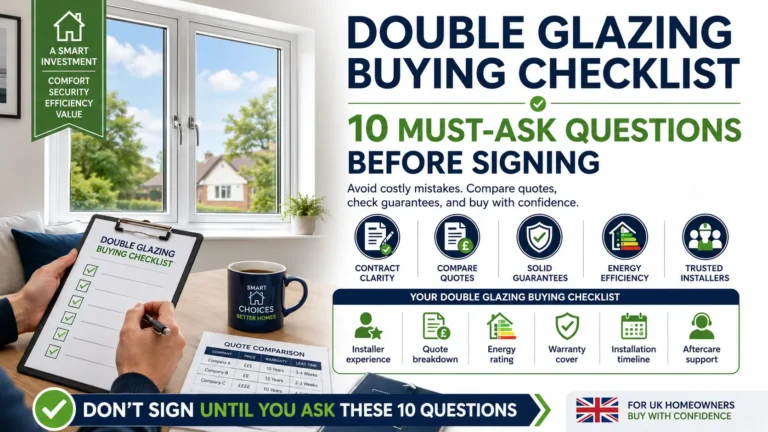
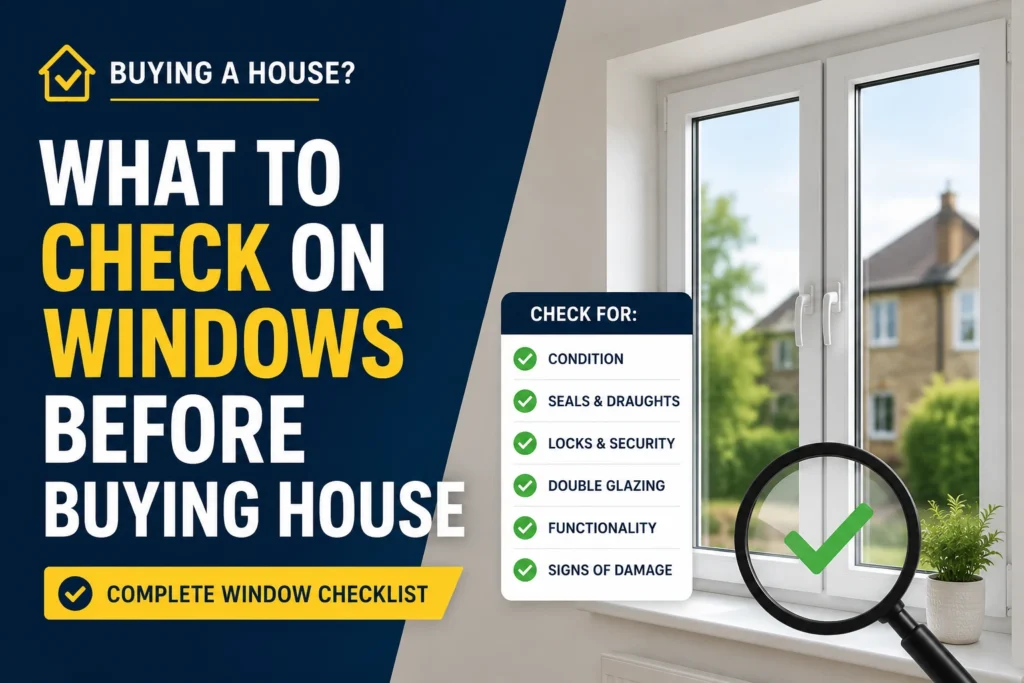
These questions should be raised during viewings or through your solicitor as part of the formal enquiries process. Your surveyor should also be specifically asked to check these points if there is any reason for concern. For a broader set of questions to ask any time you are commissioning new windows, see our double glazing buying checklist.
- When were the windows installed?
- Who installed them, and is the company still trading?
- Are they still under any manufacturer or installer warranty?
- Is there a FENSA or Certass certificate for any replacement windows?
- Have any hinges, handles, springs, locks or seals been repaired or replaced?
- Have any windows been screwed, sealed shut or temporarily fixed?
- Are there any blown units or condensation between the glass panes?
- Do all windows open, close and lock properly under normal use?
- Have there been any draught, mould or damp issues around the window frames?
- Are any windows bespoke, sash, heritage listed or unusually sized?
Note: If a seller cannot answer basic questions about the windows, or is evasive, raise this through your solicitor before exchange of contracts. Sellers in England and Wales are expected to answer property information forms accurately, and any concerns about undisclosed defects should be raised formally through your solicitor before exchange.
Quick Window Viewing Checklist
Use this as the short version during a viewing, then use the detailed inspection notes below to understand what each warning sign might mean.
Before you leave a property viewing, run through these checks.
- Do all windows open, close and lock smoothly?
- Are there screws, excess sealant or obvious patch repairs around the frames?
- Is there condensation between the glass panes?
- Are any handles stiff, loose or difficult to engage?
- Are the frames cracked, warped, rotten or pulling away from the wall?
- Can the seller confirm when the windows were installed?
- Is there a FENSA or Certass certificate for any replacement windows?
- Are any windows bespoke, sash, heritage or unusually sized?
- If there are sash windows, do both the top and bottom sashes slide smoothly? Does the top sash sit flush against the top of the frame with no gap?
- Is there evidence of mould, draughts or damp around the frames?
- Has the seller disclosed any past window repairs?
The short checklist above is useful during a viewing, but the full version gives you the questions to send before exchange.
Free Download: The UK Homebuyer’s Window Inspection Checklist
Going to a viewing? This checklist covers 35 questions across condition, energy efficiency, security, legal compliance and conveyancing — including what to ask the seller, what to send your surveyor, and the red flags that should make you pause before exchange.
What Homebuyers Should Actually Inspect During a Viewing
Operate every window fully
Open and close every accessible window in the property. Not a quick push and pull. Operate them fully, check that they lock correctly, that handles engage cleanly, and that nothing feels forced or stiff. A window that requires effort to operate is telling you something.
Look at the frames closely
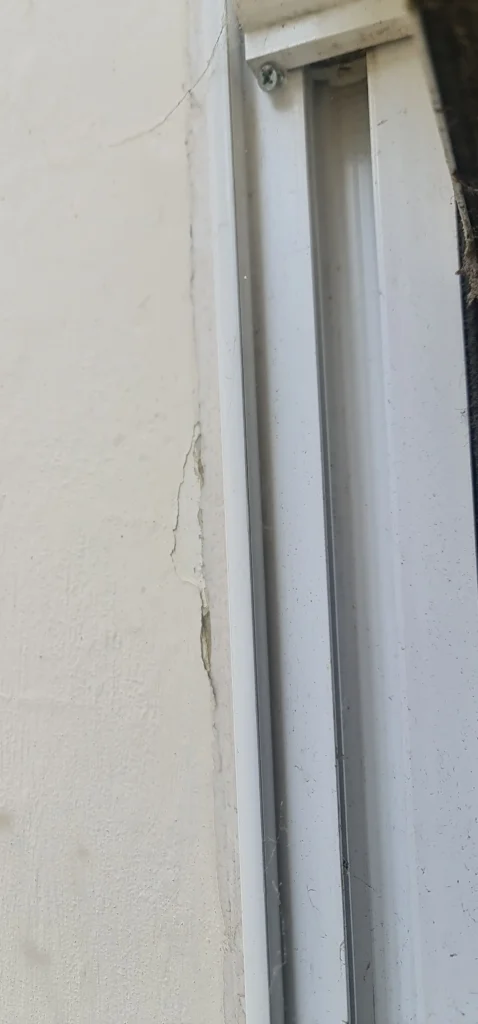
On uPVC frames, look for visible screws that should not be there, hairline cracks, discolouration that suggests moisture ingress, or gaps between the frame and the surrounding wall. On timber frames, check for rot at the sill and base, flaking paint, and any sign of warping.
Check the sealed units
If you can see condensation or moisture between the two panes of glass, the sealed unit has failed. This is common and not always expensive to fix, but it does mean the thermal performance of that window is compromised.
Look for evidence of temporary fixes
Excess sealant around frames, screws through profiles, painted-over gaps or frames that appear to have been adjusted recently can all suggest that problems have been masked rather than resolved.
Pay special attention to sash windows
If the property has sash windows, test them differently from casement windows. Open both the top and bottom sashes independently and slide them up and down. The movement should feel smooth and controlled in both directions — if either sash feels stiff, drops suddenly or needs forcing, the cords or balancing mechanisms are likely worn or failing.
While you are operating the window, listen for any creaking or uneven resistance. Sash windows work on a counterweight and cord system hidden inside the frame. If the cords are old, frayed or close to snapping, the window can feel slightly unbalanced or sluggish on one side before it fails completely. A snapped sash cord on an upper-floor window can become expensive quickly, especially if scaffolding or workshop restoration is needed.
The check most people miss is this: once you have opened the top sash, look at whether it sits flush against the top of the frame with no gap. A gap between the top sash and the top of the frame is a tell-tale sign that the sash cords have stretched or snapped on one side, allowing the window to drop or tilt. It is easy to miss on a walk-through because the window is usually left closed, and a closed sash can look perfectly fine even when the mechanism is failing.
This was something I noticed in my own property after moving in. The top sash had a visible gap that had not been obvious during the viewing. By that point, it was my problem to fix.
Match the windows to the property age
A property built before 1990 may have original timber frames. A property built between 1990 and 2005 may have first or second-generation uPVC that is approaching the end of its serviceable life. Understanding the likely age of the installation helps you assess what maintenance or replacement costs might be realistic in the coming years.
Treat windows the same way you treat the boiler
You would not buy a property without asking for the boiler service history or checking its age. Apply the same standard to the windows. Both are mechanical systems with finite lifespans, maintenance requirements, and potentially significant replacement costs.
For compliance questions, always confirm the position with your solicitor, surveyor or local authority. FENSA, Certass and local authority Building Control records may help confirm whether replacement glazing work was signed off correctly.
Frequently Asked Questions
How long do uPVC windows typically last?
Most uPVC windows have a lifespan of between 20 and 35 years, depending on the quality of the original installation and the level of ongoing maintenance. Mechanisms, springs and seals may need attention before the frames themselves need replacing. See our double glazing maintenance checklist for a guide to what to look out for year to year.
Do I need a FENSA certificate when buying a house?
If replacement windows were installed after April 2002, they should have a FENSA or Certass certificate confirming the work met Building Regulations requirements. If the certificates cannot be produced, your solicitor may recommend obtaining indemnity insurance instead. This should be clarified before exchange.
What is a blown window unit?
A blown unit occurs when the seal between the two panes of glass in a double glazed unit fails, allowing moisture to enter the cavity. You will typically see condensation or fogging between the glass that cannot be wiped away. The sealed unit can usually be replaced without changing the whole frame.
Should I ask for a window inspection before buying a house?
If you have any concerns about the windows, ask your surveyor to pay specific attention to them. A standard homebuyer survey will note visible defects, but it may not flag mechanism failures that only become apparent under sustained use. Raise specific concerns with your surveyor before the inspection takes place.
Can a seller be held responsible for hidden window defects?
This is a question for your solicitor rather than a general guide. Sellers are expected to answer property information forms accurately, and any concerns about undisclosed problems should be raised formally through your legal team.
Should I reduce my offer if the windows need work?
Possibly. If a survey, specialist inspection or written quote shows that the windows need repair or replacement, you may be able to use that information during negotiations. The important thing is to get the issue documented before exchange, rather than discovering the true cost after completion. Speak to your solicitor about the best way to raise this formally.
Is it always worth repairing windows rather than replacing them?
Not always. Repair makes financial sense when the frames are structurally sound and the problem is confined to mechanisms, seals or individual glazing units. When frames are failing, multiple units are blown, or the windows are so old that parts are unavailable, replacement may be the more practical long-term choice.
Why I Built This Website
I built doubleglazingquote.net because this experience showed me how little transparent, practical information exists for ordinary homeowners.
When you are buying a property, replacing windows, repairing old frames or comparing quotes, it is very easy to feel outmatched. Sellers may not volunteer maintenance problems. Surveyors may only flag visible defects. Sales companies may push replacement when repair is still viable. And prices can move dramatically depending on the company, the salesperson, and the pressure applied during the visit.
I wanted to create a site that helps people ask better questions before they spend thousands.
The aim is simple: give UK homeowners clear, practical information on window costs, maintenance, repair options, replacement decisions, certificates, warranties and quote comparison. Not sales pressure. Not vague claims. Just useful guidance based on real homeowner problems, real buying decisions and genuine price research grounded in the UK market.
The £900 versus £15,000 decision I faced is one many homeowners could face. Most people simply do not know which number is the right one until they have already been pushed towards signing something.
Don’t Go to Another Viewing Without This
The UK Homebuyer’s Window Inspection Checklist is a free download that expands on this article with 35 questions across condition, energy efficiency, security, legal compliance and conveyancing. It also includes a ready-to-send email template for sellers and agents, plus a buyer decision guide to help you decide whether to proceed, renegotiate or walk away.
Most buyers spend more time choosing a sofa than inspecting the windows. This checklist fixes that.
Related reading: Double Glazing Costs in the UK: A Complete Guide | Sash Windows: Repair, Replace or Upgrade? | FENSA and Certass Certificates: What Homeowners Need to Know | Double Glazing Maintenance Checklist