Stop the Rattle: The Complete UK Guide to Draught-Proofing & Soundproofing Sash Windows (2025)
By Kevin Cee | Updated November 2025 |
Are your sash windows rattling every time the wind picks up? That persistent noise isn’t just annoying — it’s a measurable sign that cold air, unwanted sound, and wasted heating money are slipping through your home’s most characterful feature.
You’re far from alone. Sash windows, while architecturally irreplaceable, were never designed with modern thermal or acoustic performance in mind. Add to that the fact that Historic England estimates approximately 15% of UK homes were built before 1900, and you begin to understand the enormous scale of the draught-proofing challenge facing British homeowners.
The good news? This problem is eminently solvable — and the range of solutions is wider than most people realise. Use the quick-reference table below to find your starting point, then read on for the full breakdown.
At a Glance: Which Solution Is Right for You?
| Solution | Best For | Typical Cost | Noise Reduction | Heritage Friendly |
|---|---|---|---|---|
| DIY weather stripping | Minor draughts | £20–£50/window | Low | Usually |
| Professional draught-proofing | Rattle + draughts | £100–£300/window | Low to moderate | Yes |
| Secondary glazing | Traffic noise + heat loss | £400–£900+/window | 20–35 dB (High) | Often |
| Full replacement | Rotten frames | £800+/window | High | Case-by-case |
Why Sash Windows Rattle: Understanding the Root Causes
Before spending a penny on solutions, it pays to diagnose the problem correctly. Sash windows rattle and leak for three primary reasons:
Loose Fittings and Hardware — Screws, hinges, and sash fasteners loosen through years of use and seasonal timber movement. When metal meets timber with even a millimetre of slack, the result is the familiar tap-tap-rattle on a windy night.
Worn Glazing Putty and Seals — Original Victorian and Edwardian putty becomes brittle and shrinks over decades. Once the glass sits loosely in the rebate, it vibrates independently of the frame — producing the high-frequency rattle that carries through an entire house.
Poor Sash Alignment — Timber frames shift with humidity and temperature over time. A sash that fitted perfectly when installed 80 years ago may now have gaps of 3–5mm at key contact points, creating both significant air infiltration and that characteristic rattling under wind pressure.
The Real Cost of Doing Nothing: Energy Loss by Numbers
Before weighing up draught-proofing costs, it’s worth understanding what neglect is costing you right now.
The Energy Saving Trust estimates that draught-proofing around windows, doors, and floors can save a typical UK household around £85 per year on energy bills. For period properties with multiple sash windows across several rooms, the case for acting quickly becomes compelling — and the cumulative saving across even a modest programme of works adds up meaningfully over time.
Beyond the bills, poorly sealed sash windows compromise your home’s EPC rating — increasingly relevant if you’re planning to sell or let, given tightening UK Building Regulations around energy performance.
Draught-Proofing Costs: DIY vs Professional
DIY Draught-Proofing: £20–£50 Per Window
For competent DIYers, a basic sash window draught-proofing kit — including brush pile strips, foam tape, and a tube of acoustic sealant — runs to £20–£50 per window in materials. This approach works well for properties with minor draught issues and windows in otherwise sound structural condition.
Key DIY-friendly products to consider:
- V-strip (tension seal) weather stripping for the meeting rail — approximately £8–£15 per roll
- Brush pile strip for the sash channels — around £5–£12 per metre
- Clear acoustic sealant for frame cracks — £6–£10 per tube
Important: On listed buildings or in conservation areas, always check with your Local Planning Authority before undertaking window works, even minor ones. Historic England’s guidance recommends reversible, sympathetic treatments that preserve original fabric — most brush pile and weather stripping solutions meet this standard.
Professional Draught-Proofing: £100–£300 Per Window
A specialist installer will typically charge £100–£300 per window for a full draught-proofing treatment, which usually includes:
- Full strip-down and inspection of the sash mechanism
- Replacement of sash cords where worn
- Installation of high-grade brush pile to all four sliding faces
- Sealing of frame joints with flexible acoustic sealant
- Hardware tightening or replacement as required
- Final alignment check and smooth-running test
For listed buildings and conservation properties — where sympathetic workmanship is non-negotiable — professional installation almost always represents better long-term value than DIY.
VAT note: Some qualifying energy-saving installation work may attract 0% VAT under HMRC’s current guidance on energy-saving materials, applicable until 31 March 2027. Not every draught-proofing job will automatically qualify, so always confirm VAT treatment with your installer before accepting a quote.
Recommended Specialist Companies:
- Ventrolla — The UK’s leading sash window draught-proofing specialist, offering their proprietary Perimeter Sealing System (PSS). Widely used on listed and period properties nationwide.
- The Sash Window Workshop — Long-established specialist covering London and the South East, combining draught-proofing with full restoration services.
Both companies conduct detailed surveys before quoting, which is best practice for any property where the condition of the sash mechanism is uncertain.
Draught-Proofing Techniques: From Quick Wins to Complete Solutions
Weather Stripping
The entry point for most homeowners. Self-adhesive foam or rubber weather stripping applied to the frame perimeter creates an immediate seal against infiltrating air. Clean the frame surface thoroughly before application, and choose a product rated for external exposure. Foam compresses easily and suits irregular gaps; rubber and vinyl strips offer greater durability on high-traffic windows.
Brush Pile and Pile Strips
The professional’s preferred choice for sash windows. Brush pile consists of densely packed polypropylene bristles bonded to an aluminium carrier strip. Fitted to both sides of each sash channel, it allows the window to slide freely while maintaining a near-continuous seal against draughts and airborne dust. The Glass and Glazing Federation (GGF) recognises brush pile as the benchmark draught-proofing material for traditional sliding sash windows, precisely because it accommodates the movement inherent in the sash mechanism without compromising the seal over time.
Sealing Gaps and Cracks
Hairline cracks where the window frame meets surrounding masonry or plasterwork are often overlooked — yet they can account for as much infiltration as the window gaps themselves. A paintable acoustic sealant, applied with a cartridge gun, fills these irregular voids permanently. Unlike standard decorators’ caulk, acoustic sealant remains permanently flexible, accommodating seasonal movement without cracking.
Advanced Soundproofing: When Noise Is the Primary Concern
For homeowners in busy urban areas — particularly those living near main roads, railways, or city centres — draught-proofing alone may not deliver the acoustic improvement needed for genuinely comfortable living.
Secondary Glazing: The Gold Standard for Noise Reduction
Secondary glazing — a discreet internal pane fitted within the existing window reveal — is the single most effective acoustic intervention available to sash window owners. According to data from acoustic specialists and corroborated by BRE Group research, correctly installed secondary glazing achieves a noise reduction of 20–35 dB, which in perceptual terms represents a reduction in perceived loudness of approximately 75–80%.
To put that in context: the WHO’s Environmental Noise Guidelines for the European Region recommend that night-time road traffic noise should not exceed 45 dB Lnight — a threshold many urban Victorian properties currently fail to meet. Secondary glazing can realistically bridge that gap without touching the original window.
Critically, secondary glazing requires no planning permission in most circumstances, preserves the external character of the original window entirely, and can be removed without trace. For a deeper dive into this solution, read our dedicated guide: The Affordable Acoustic Solution: Why Secondary Glazing is the UK’s Best Noise Reduction Secret.
Acoustic Panels and Soundproof Curtains
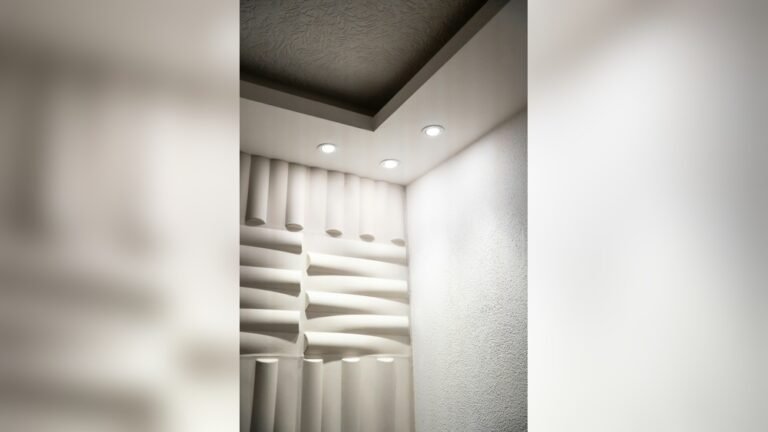
Where secondary glazing isn’t immediately feasible, heavy acoustic curtains (minimum 2kg/m²) hung on ceiling-to-floor tracks provide a useful supplementary layer. Combine with acoustic absorber panels on adjacent walls to reduce room reflections. Neither matches secondary glazing’s raw dB performance, but together they meaningfully reduce the perceived noise environment at modest cost.
When to Draught-Proof vs When to Replace
This is the question every sash window owner eventually faces. The honest answer depends on the structural condition of the existing frames.
Draught-proof and repair when:
- The timber frames are structurally sound, with no rot beyond the surface layer
- The windows are in a conservation area or listed building
- The property is pre-1940 and original windows contribute to character and value
- Budget favours a phased approach
Consider replacement when:
- Rot has penetrated the core of the sash or surrounding frame
- Multiple panes are cracked or broken
- The sash mechanism has failed completely and repair is uneconomical
- The property sits outside any conservation designation and you’re seeking maximum thermal performance
For a detailed analysis of this decision, including U-value comparisons and realistic payback periods, see our full guide: The Sash Window Dilemma: Repair, Replace, or Upgrade to Double Glazing?
For listed buildings specifically, full replacement is rarely permitted — but that needn’t limit your thermal or acoustic ambitions. Read our guide on Secondary Glazing for Listed Buildings to understand what’s achievable within heritage constraints.
Choosing an Installer: Certification Matters
Whether you’re draught-proofing or installing secondary glazing, always verify your installer’s credentials. For any work involving replacement glazing units:
- FENSA — The industry’s primary certification body. A FENSA-registered installer self-certifies compliance with Building Regulations, removing the need for a separate building control application.
- Certass — An equally valid alternative certification scheme, commonly used by smaller regional specialists.
For draught-proofing-only work (no glazing replacement), certification requirements are less formal, but GGF membership or equivalent trade affiliation remains a useful quality signal. Always request references for period property work specifically — techniques appropriate for a 1970s casement window are not always appropriate for a Georgian sash.
Maintaining Your Draught-Proofed Sash Windows
Draught-proofing is not a fit-and-forget solution. To maintain performance year after year:
- Inspect annually — check brush pile for matting and compression, especially on high-traffic windows
- Clean sash channels twice yearly with a soft brush, removing dust that degrades the pile seal
- Lubricate pulleys, hinges, and locks with a silicone-based spray — avoid WD-40 on timber, which can discolour wood and cause long-term drying
- Re-seal any frame cracks that reopen after seasonal movement, ideally in autumn before the heating season begins
- Replace worn materials promptly — compressed or split brush pile loses a significant proportion of its sealing effectiveness and should be replaced rather than patched
Frequently Asked Questions
How much does professional sash window draught-proofing cost in the UK? Expect to pay £100–£300 per window for a full professional treatment, depending on window size, condition, and the extent of hardware replacement required.
How much can I save on energy bills by draught-proofing? The Energy Saving Trust estimates that draught-proofing windows, doors, and floors can save a typical UK household around £85 per year — a meaningful return, particularly for larger period properties with multiple sash windows.
Will draught-proofing my sash windows reduce noise? Standard draught-proofing provides modest noise reduction by eliminating the air gaps through which sound most easily travels. For significant, measurable noise reduction — 20–35 dB — secondary glazing is the recommended solution.
Can I draught-proof sash windows in a listed building? Yes. Brush pile and reversible weather stripping treatments are generally considered sympathetic and do not require listed building consent. Always confirm with your Local Planning Authority if in any doubt, particularly in sensitive conservation areas.
Does draught-proofing qualify for 0% VAT? Some qualifying installations may be eligible for the 0% VAT rate on energy-saving materials, currently in place until 31 March 2027. Eligibility varies — confirm with your installer before work begins.
The Final Breakdown
Stopping the rattle in your sash windows is simultaneously one of the most achievable and most impactful home improvements available to UK period property owners. Whether you invest £20 in a DIY weather strip kit or commission a full professional Ventrolla treatment, the returns — in comfort, quiet, and energy savings — are immediate and measurable.
Start with the basics: tighten loose hardware, replace worn brush pile, seal the frame cracks. If noise is your primary concern, explore secondary glazing. And if your windows are beyond economical repair, use our linked guides to navigate the replacement decision with confidence.
Your home should be warm, quiet, and yours to enjoy — not a conduit for every cold front and passing lorry.
Sources: Energy Saving Trust | Historic England | GOV.UK Building Regulations | HMRC VAT on Energy Saving Materials | FENSA | GGF | Certass | BRE Group | WHO Environmental Noise Guidelines