When it comes to upgrading or renovating your home, the windows you choose do more than just let in light—they shape the entire look and feel of your space. But how do you pick the right window frame material that truly complements your home’s unique architectural style?
Whether your house boasts the intricate charm of Victorian design, the balanced elegance of Georgian architecture, or the sleek simplicity of Modern style, selecting the perfect frame can elevate your home’s beauty and value. You’ll discover how to match window materials to these three distinct styles, helping you make confident choices that enhance both curb appeal and functionality.
Ready to find the ideal frame for your home? Let’s dive in.

Credit: sashwindows-london.com
Victorian Window Features
Victorian window features reflect the charm and elegance of the 19th century. These windows often show intricate details and classic shapes. They add character to any Victorian-style home. Choosing the right frame material helps maintain the home’s historic appeal. Proper frames enhance beauty and ensure durability.
Common Frame Materials
Wood is the most popular frame material for Victorian windows. It offers a traditional look and can be painted in many colors. Wood frames provide good insulation but require regular maintenance. Another option is fiberglass, which mimics wood but lasts longer. Vinyl frames are less common but offer low maintenance. Metal frames are rarely used due to their modern appearance.
Design Elements And Details
Victorian windows feature ornate trims and decorative moldings. Frames often include beveled glass or stained glass panels. Small panes divided by muntins create a classic look. Bay and bow windows add depth and light to rooms. Rounded or arched tops are common in Victorian designs. Attention to detail is essential for authenticity.
Best Window Types
Double-hung windows suit Victorian homes well. They provide good ventilation and fit the style perfectly. Casement windows also work, especially in smaller rooms. Stained glass windows add color and artistic flair. Bay and bow windows bring elegance and extra space. Choosing styles that match the period enhances home value.

Credit: sashwindows-london.com
Georgian Window Characteristics
Georgian windows reflect the elegance and order of 18th-century design. They emphasize symmetry and classic proportions. These windows suit homes with balanced facades and traditional charm. Understanding their key features helps choose the right frame material for your Georgian home.
Traditional Frame Choices
Wood is the most common frame material for Georgian windows. It matches the period’s craftsmanship and warmth. Painted timber frames, often in white or cream, enhance the classic look. Timber also allows for detailed moldings and muntin bars. Modern alternatives like uPVC mimic wood but may lack the authentic feel.
Window Proportions And Layout
Georgian windows usually have tall, narrow sashes. They are divided into multiple small panes. A common layout is six-over-six or nine-over-nine panes. This grid pattern maintains the period’s balanced appearance. Frames should respect these proportions to keep architectural harmony.
Popular Styles For Georgian Homes
Double-hung sash windows dominate Georgian architecture. They slide vertically to open, providing ventilation. Casement windows also appear but less often. Decorative crown moldings or pediments often top the frames. Choosing frames that support these styles preserves your home’s historic charm.
Modern Window Styles
Modern window styles focus on simplicity, functionality, and clean lines. They emphasize light and open spaces. These windows often have large glass panels and slim frames. This style fits well with contemporary homes and minimalist architecture. Choosing the right frame material is key to achieving the modern look.
Material Innovations
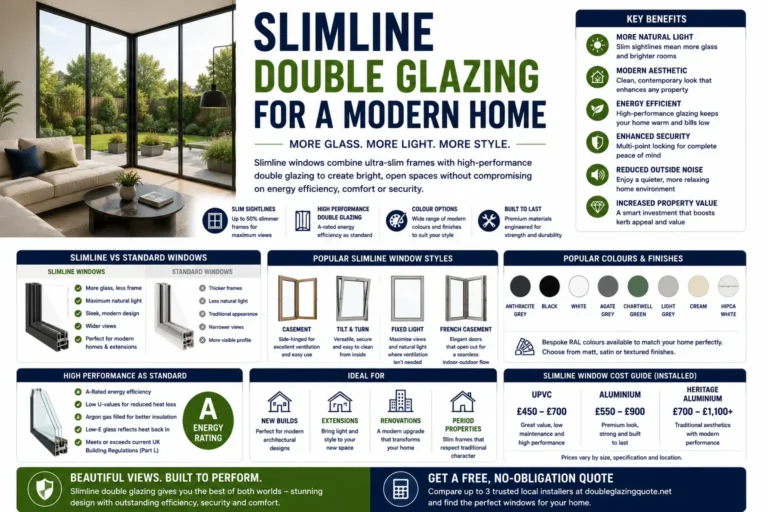
Modern windows use materials like aluminum, vinyl, and fiberglass. Aluminum offers strength with a slim profile. Vinyl is low-maintenance and energy-efficient. Fiberglass frames combine durability with a sleek look. These materials resist warping and fading, perfect for modern homes.
Minimalist Frame Designs
Frames in modern windows are thin and simple. The design avoids ornate details or heavy trim. Minimalist frames help windows blend into the wall. This style highlights the view and natural light. It creates a clean, uncluttered appearance.
Maximizing Glass And Light
Modern windows feature large glass areas. Frameless corners or narrow frames increase the glass surface. This design lets in more daylight and opens up rooms. It creates a bright, airy atmosphere. Maximizing glass helps connect indoor spaces with the outdoors.
Matching Materials To Styles
Choosing the right window frame material is key to preserving your home’s character. Each architectural style pairs best with certain materials. Matching materials to styles enhances beauty and authenticity. Consider the unique traits of Victorian, Georgian, and Modern homes. This helps in selecting frames that complement the design.
Wood Frames And Period Homes
Wood frames suit Victorian and Georgian homes well. They offer a warm, classic look that matches period details. Wood can be painted or stained to fit any color scheme. Its natural texture adds charm and depth. Wood frames also allow for traditional window styles like double-hung or casement. They keep the historic feel intact while providing good insulation.
Aluminum And Contemporary Looks
Aluminum frames fit modern and contemporary homes perfectly. Their slim profiles create clean, sharp lines. Aluminum supports large glass panes for more natural light. It resists rust and requires little maintenance. These frames emphasize sleek, minimalistic designs. Aluminum works well with open floor plans and urban aesthetics.
Steel Frames For Authenticity
Steel frames bring strength and authenticity to Victorian and Georgian homes. They mimic original metal window designs. Steel offers a narrow sightline to maximize glass area. This material is durable and secure. It suits homes needing a strong, industrial touch. Steel frames blend history with modern performance.
Color And Finish Tips
Choosing the right color and finish for your window frames enhances your home’s architectural style. It highlights the design and adds personality. Each style—Victorian, Georgian, and Modern—has unique color palettes and finishes that complement its look. Thoughtful color choices create harmony and improve curb appeal. This section offers simple tips for picking colors and finishes that suit your home’s character.
Choosing Frame Colors
Pick colors that fit your home’s era and style. Victorian homes look great with soft whites, creams, or pastel shades. Georgian styles favor classic tones like deep greens, blues, or warm browns. Modern homes match well with black, gray, or metallic finishes. Choose colors that reflect the mood and period of your house. Avoid overly bright or flashy colors that clash with the architecture.
Contrasting Vs Matching Walls
Decide if your frames should blend or stand out against your walls. Matching colors create a seamless, calm look. This works well for Georgian homes with simple, elegant lines. Contrasting colors add interest and highlight window shapes. Victorian homes often use contrast to show off decorative details. Modern homes can use bold contrasts to emphasize clean, sharp edges. Choose based on how much you want the windows to draw attention.
Maintaining Style Consistency
Keep your window frame colors consistent with other exterior elements. Match trims, doors, and siding colors for a unified look. Victorian houses benefit from layered color schemes that respect their ornate style. Georgian homes require balanced, symmetrical color choices. Modern homes favor minimal, sleek finishes to maintain simplicity. Consistency ensures your home looks well-planned and visually appealing.

Credit: www.eurolinesteelwindows.com
Window Function And Ventilation
Windows do more than let light in; they control airflow and comfort. Proper ventilation reduces moisture, improves air quality, and keeps rooms fresh. Choosing the right window function fits your home’s style and boosts airflow effectively. Different architectural styles call for specific window types that suit their look and ventilation needs.
Sliding Sash For Period Styles
Sliding sash windows suit Victorian and Georgian homes perfectly. They slide vertically, allowing easy control of airflow. These windows keep the classic charm while providing practical ventilation. Their design fits well with tall ceilings and traditional room layouts. The ability to open from top or bottom helps balance fresh air and security.
Casement Windows For Modern Homes
Casement windows open outward like a door, offering excellent ventilation. They catch breezes from any direction and direct airflow inside. Their clean lines match modern architecture and provide unobstructed views. Casement windows seal tightly when closed, improving energy efficiency. Their functionality suits open-plan spaces and contemporary living styles.
Balancing Aesthetics And Airflow
Select window frames that blend style with ventilation needs. Consider how often you open windows and the airflow required in each room. Period homes benefit from preserving historic window types to maintain character. Modern homes gain from flexible, efficient windows that enhance indoor air quality. Choose frames that support airflow without compromising your home’s design.
Durability And Maintenance
Choosing the right window frame means thinking about durability and maintenance. These factors affect how long your windows last and how much care they need. Different architectural styles often pair with specific materials that suit their look and climate needs. Understanding these details helps keep your home beautiful and functional over time.
Material Longevity By Style
Victorian homes often use wood frames for their classic charm. Wood looks great but can wear out faster if not sealed properly. Georgian homes typically favor wood or composite frames. These offer a good balance of strength and style. Modern homes use aluminum or vinyl frames. These materials last longer and need less repair.
Upkeep Considerations
Wood frames need regular painting or staining to avoid rot and damage. They may require more attention in humid or rainy areas. Vinyl frames are almost maintenance-free. They only need occasional cleaning with soap and water. Aluminum frames resist rust but can dent. They also need cleaning to keep their sleek look.
Weather Resistance
Wood windows may swell or crack with extreme moisture changes. Proper sealing helps reduce this risk. Vinyl frames resist moisture and do not warp. They perform well in wet or cold climates. Aluminum frames handle heat and sun without fading. Their metal construction stands up to harsh weather well.
Customizing Window Frames
Customizing window frames allows you to create a perfect match for your home’s style. Each architectural style—Victorian, Georgian, or Modern—has unique window frame features. Personalizing these frames enhances your home’s character and charm. Thoughtful choices ensure the windows blend seamlessly with your home’s design.
Trim And Decorative Options
Trim and decorative details define your window’s look. Victorian homes favor ornate trims with intricate patterns. Georgian styles use simpler, symmetrical trim for a classic feel. Modern homes often choose minimal or flat trims for a clean, sleek appearance. Selecting the right trim highlights the window and complements your home’s style.
Scaling For Architectural Accuracy
Proper size matters for architectural balance. Victorian windows often have tall, narrow frames to match high ceilings. Georgian windows are evenly proportioned, with balanced width and height. Modern windows might be larger, emphasizing light and openness. Correct scaling keeps your windows authentic and visually pleasing.
Incorporating Modern Features
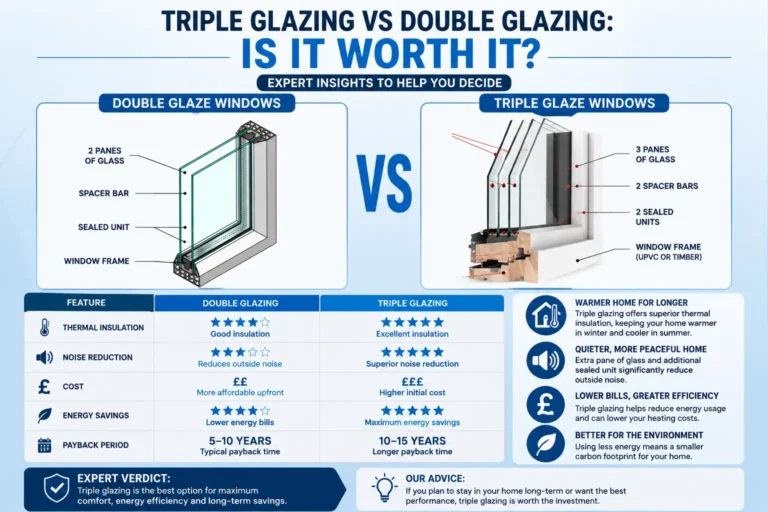
Modern features can improve function without losing style. Double or triple glazing boosts energy efficiency. Slimmer frame materials like aluminum suit modern designs. You can add easy-to-use locks and tilt options for better ventilation. These updates keep your windows practical and attractive in any home style.
Frequently Asked Questions
What Is The Difference Between Victorian And Georgian Windows?
Victorian windows feature tall, narrow panes with ornate designs. Georgian windows have symmetrical, multi-pane sash styles with cleaner lines. Victorian windows show more decorative detail, while Georgian windows emphasize proportion and simplicity. Both suit their respective historic architectural styles.
How Do Georgian Windows Affect A Home’s Style?
Georgian windows add classic elegance and symmetry to a home’s exterior. Their grid patterns enhance traditional and timeless architectural styles. These windows boost curb appeal and create a refined, balanced look that complements both historic and modern homes.
Should Window Frames Be Lighter Or Darker Than Walls?
Window frames can be lighter or darker than walls based on style preference. Darker frames create contrast; lighter frames blend softly with walls. Choose colors that complement your home’s architectural style for the best visual appeal and harmony.
Are Georgian Windows Good For Older Houses?
Georgian windows suit older houses well, preserving historical charm while providing modern durability and energy efficiency. Their classic grid design complements period architecture perfectly. Choose materials like timber or aluminum to match your home’s style and enhance curb appeal seamlessly.
Conclusion
Choosing the right window frame enhances your home’s overall look. Victorian homes suit ornate wooden frames that highlight details. Georgian houses benefit from classic, symmetrical window designs. Modern homes pair well with sleek aluminum or vinyl frames. Match materials to your style for harmony and charm.
This careful choice boosts curb appeal and comfort. Remember, the perfect window frame blends style with function. Your home deserves windows that fit its unique character and era.