If you own or care for a listed building, you know how important it is to protect its unique character. But how do you keep your historic windows looking original while making your home warmer and more energy-efficient?
That’s where secondary glazing comes in. This smart solution lets you preserve the heritage of your building and boost thermal comfort at the same time. Imagine cutting down on drafts and heating bills without changing the beautiful windows that make your property special.
You’ll discover how secondary glazing works, why it’s often the best choice for listed buildings, and what you need to know before getting started. Keep reading to find out how you can enhance your home’s comfort while honoring its history.

Credit: www.aprodoor.com
Benefits For Heritage Homes
Secondary glazing offers many benefits for heritage homes. It helps protect original features while improving comfort. This solution keeps the charm of old buildings intact. At the same time, it adds modern thermal efficiency. Heritage homes gain warmth without losing character.
Preserving Original Windows
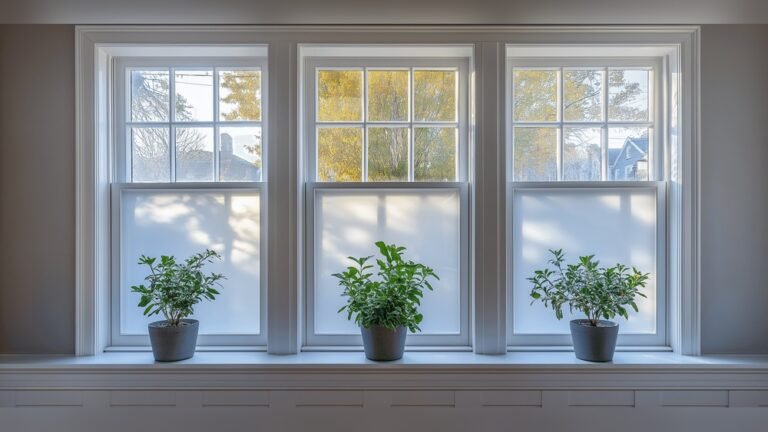
Secondary glazing fits inside existing windows. It avoids removing or altering original frames. This keeps the historic fabric safe. Original windows stay in place, avoiding damage. It allows buildings to retain their authentic look. Preservation of craftsmanship is possible with secondary glazing.
Maintaining Historical Aesthetics
Secondary glazing is discreet and unobtrusive. It does not change window shapes or sizes. The appearance of heritage homes remains unchanged. Glass and frames can match traditional styles. This respect for design keeps the building’s story alive. Visual appeal is preserved for future generations.
Protecting Architectural Features
Architectural details often surround windows. Secondary glazing guards these delicate features. It reduces drafts and moisture that cause decay. This protection helps prevent costly repairs. The building’s unique elements stay intact. Secondary glazing acts as a shield for heritage assets.
Credit: www.buildingconservation.com
Energy Efficiency Gains
Secondary glazing offers a practical solution for listed buildings to enhance energy efficiency. These historic properties often have single-glazed windows that lose heat rapidly. Adding a second layer of glazing helps trap warm air inside, reducing energy wastage. This method respects the building’s character while improving comfort and lowering energy use.
Reducing Heat Loss
Secondary glazing creates an extra barrier against cold air. The gap between the original window and the secondary pane slows down heat escape. This helps keep rooms warmer during winter months. The system also reduces drafts and cold spots near windows. It works without altering the building’s original windows, preserving heritage features.
Improving Epc Ratings
Energy Performance Certificate (EPC) ratings measure a building’s energy use. Secondary glazing significantly boosts these ratings for listed buildings. Adding insulation to windows raises the overall energy efficiency score. A better EPC rating can increase property value and appeal. It also supports environmental goals by cutting carbon emissions.
Lowering Energy Bills
With less heat lost through windows, heating systems work less. This leads to lower energy consumption and reduced heating costs. Homeowners can see noticeable savings on their energy bills. Secondary glazing provides a cost-effective upgrade without replacing original windows. It combines heritage preservation with financial benefits.
Installation Considerations
Installing secondary glazing in listed buildings needs careful thought. The goal is to improve thermal efficiency without harming the building’s historic character. This means following rules and choosing the right materials and methods. Understanding these installation considerations helps protect heritage and boosts energy savings.
Planning Permission Requirements
Listed buildings often need special permission for changes. This is called Listed Building Consent. You must apply before adding secondary glazing. Authorities check that the work will not damage the building’s character. Failing to get permission can lead to fines or having to remove the glazing. It is best to check local rules early in the process.
Choosing Suitable Materials
Materials must match the building’s style and age. Timber frames often suit older buildings better than modern plastics. The glazing should be slim and unobtrusive to keep original window features visible. Using high-quality glass helps improve insulation while maintaining clarity. Avoid materials that cause condensation or damage to the original window.
Fitting Techniques For Listed Buildings
The fitting process must be gentle and reversible. This means no drilling into historic frames or walls. Magnetic or clip-on systems allow easy removal without marks. Secondary glazing should fit tightly but leave space to avoid trapping moisture. Skilled installers know how to balance thermal performance and heritage protection.
Design And Aesthetic Impact
Secondary glazing offers a smart way to improve thermal efficiency in listed buildings. Preserving the original look is crucial for heritage properties. The design and aesthetic impact of secondary glazing must blend with historic charm. Careful choices help keep the building’s character intact. This section explores how to minimize visual intrusion, match historic styles, and use removable systems.
Minimizing Visual Intrusion
Secondary glazing should be discreet and subtle. Slim frames and clear glass help reduce visibility. Installing on the inside keeps the original windows untouched. This approach avoids changing the building’s exterior look. It helps maintain the historic facade and street appeal. The goal is to add thermal benefits without harming the heritage feel.
Matching Historic Styles
Frames can be designed to reflect original window styles. Wood or metal options suit different periods and designs. Colors and finishes match the building’s existing features. This harmony ensures secondary glazing does not stand out. Custom-made solutions respect the building’s history. The result keeps the authentic appearance while adding insulation.
Options For Removable Systems
Some secondary glazing systems are fully removable. Magnetic or clip-fit units allow easy installation and removal. This feature suits listed buildings needing reversible changes. It means no permanent alterations to the original windows. Removable systems offer flexibility for maintenance and preservation rules. They provide thermal efficiency without risking heritage status.
Common Challenges
Secondary glazing offers an excellent way to improve thermal efficiency in listed buildings. Yet, it comes with some common challenges that owners must consider. These challenges affect comfort, window durability, and the building’s overall health. Understanding these issues helps in making informed decisions for long-term benefits.
Managing Condensation
Condensation can form between the original window and the secondary glazing. This happens when moist air gets trapped in the gap. Over time, trapped moisture may cause mold and damage to window frames. Proper installation and ventilation help reduce this problem. Choosing high-quality seals and insulating materials also plays a key role.
Maintenance Needs
Secondary glazing requires regular upkeep to maintain its performance. Dust and dirt can build up between panes, affecting clarity and insulation. Cleaning can be tricky as panels might need to be removed carefully. Checking seals and frames helps prevent air leaks and damage. Scheduled inspections ensure the system works efficiently over time.
Balancing Ventilation
Good ventilation is vital in listed buildings with secondary glazing. Sealing windows too tightly can trap stale air inside. This may cause poor indoor air quality and increase moisture levels. Installing trickle vents or adjustable openings allows fresh air without losing heat. Finding the right balance protects the building and enhances comfort.
Comparisons With Alternatives
Choosing the right window solution for listed buildings needs careful thought. Secondary glazing offers unique benefits compared to other options. It preserves the original windows while improving thermal comfort. This section compares secondary glazing with popular alternatives to help understand its strengths.
Secondary Glazing Vs Double Glazing
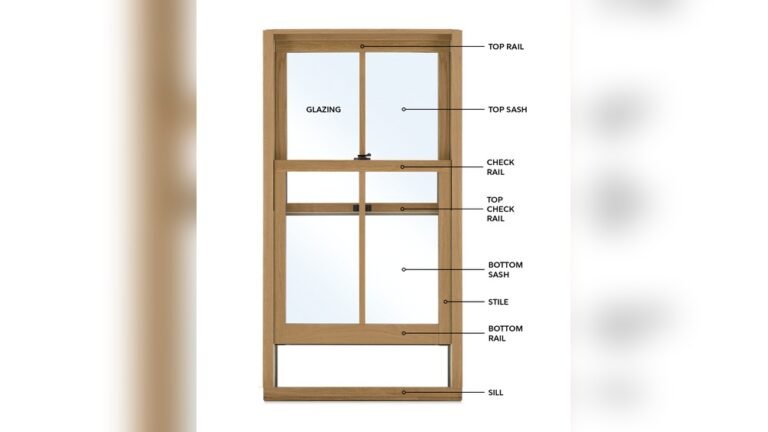
Secondary glazing fits an extra pane inside the existing window frame. Double glazing replaces the entire window with two glass panes sealed together. Listed buildings often restrict window replacement to protect heritage. Secondary glazing avoids major changes and usually needs less permission. It adds insulation without losing the original window’s look. Double glazing can offer better airtightness but risks altering the building’s character.
Advantages Over Window Replacement
Replacing windows in listed buildings often requires complex approvals. Secondary glazing is less invasive and easier to install. It keeps original frames safe from damage or removal. This method usually costs less and takes less time. It also allows for easy removal if needed. Replacement windows can affect the building’s historic value and may not match original designs perfectly.
Soundproofing Benefits
Secondary glazing creates an air gap that reduces outside noise effectively. It is excellent for homes near busy streets or noisy areas. Double glazing also reduces noise but involves full window replacement. Secondary glazing can be tailored to enhance soundproofing with thicker glass or special seals. This helps maintain a quiet, peaceful indoor environment without changing the building’s exterior.
Case Studies
Examining real-life examples helps understand the impact of secondary glazing. These case studies show how listed buildings keep their character while gaining better thermal efficiency. Each example shares a unique story of care and innovation.
These stories inspire owners and conservationists to protect heritage and save energy. The following cases highlight success in heritage, energy savings, and preservation.
Successful Heritage Projects
Several historic homes in the UK installed secondary glazing with care. The added glazing matched original window shapes and materials. This kept the historic look intact. Owners reported comfort improvements without altering building appearance. Heritage officers praised these sensitive upgrades.
Energy Savings Examples
A Victorian townhouse cut heating costs by 30% after adding secondary glazing. The extra glass layer reduced drafts and heat loss. Another listed church improved warmth and cut energy use during winter. These savings help owners lower bills while protecting old buildings.
Preservation Success Stories
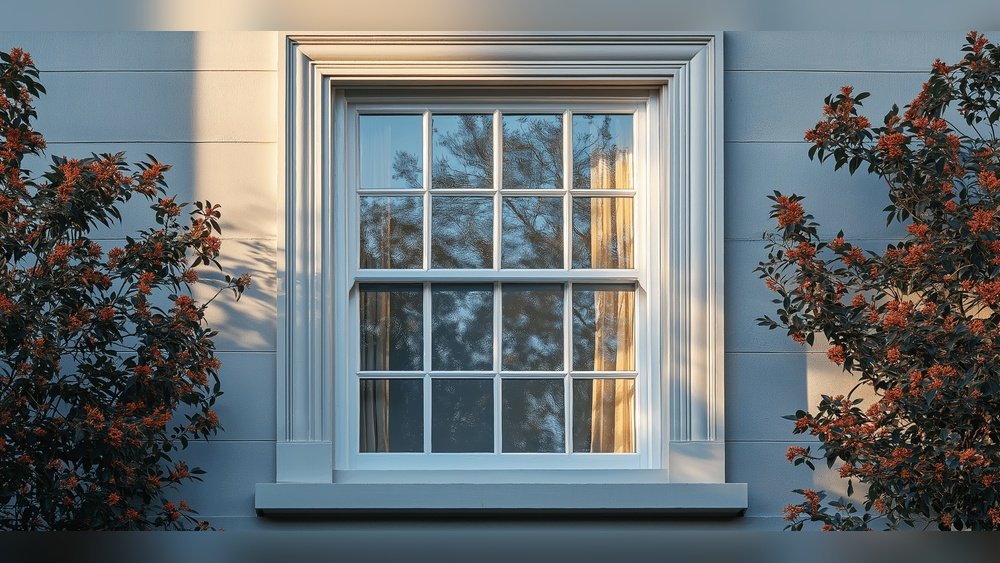
One Georgian mansion kept its original sash windows but added secondary glazing inside. This preserved the woodwork and stopped cold air entering. The building stayed dry and damage-free from moisture. Secondary glazing protected the fabric of the building for future generations.
Future Trends
The future of secondary glazing in listed buildings holds exciting possibilities. It blends heritage preservation with modern needs for energy efficiency and comfort. Emerging trends focus on improving performance while respecting historic features. Innovations and eco-friendly solutions lead this evolution. Smart technology also plays a growing role in enhancing usability and control.
Innovations In Secondary Glazing
New designs make secondary glazing slimmer and less visible. Advanced sealing methods reduce drafts and noise better than before. Some systems use magnetic fittings for easy removal without damage. Improved glass options increase insulation without adding weight. These advances help maintain the building’s original look while boosting thermal efficiency.
Sustainable Materials
Eco-friendly materials are becoming popular in secondary glazing frames and panes. Recycled aluminum and sustainably sourced wood reduce environmental impact. Low-emission glass coatings help lower energy loss. These choices support green building goals and fit well with heritage conservation. Using sustainable materials ensures long-term benefits for both the building and the planet.
Integration With Smart Technologies
Smart sensors can monitor temperature and humidity around windows. Automated controls adjust secondary glazing vents to optimize airflow. Remote access lets owners manage settings from smartphones. These features improve comfort and reduce energy waste. Integrating smart tech makes secondary glazing more responsive and easier to maintain in listed buildings.

Credit: sashwindows-london.com
Frequently Asked Questions
Can I Put Secondary Glazing In A Listed Building?
Yes, you can install secondary glazing in a listed building, but you must first obtain Listed Building Consent. This permission protects the building’s historic character while allowing thermal improvements. Always consult local authorities before installation to ensure compliance with heritage regulations.
What Are The Disadvantages Of Secondary Glazing?
Secondary glazing can cause condensation between panes, complicate maintenance, and may affect interior aesthetics negatively. It also requires careful installation to preserve original windows.
Does Secondary Glazing Help With Heat?
Secondary glazing adds an extra pane inside windows, reducing heat loss and improving insulation effectively. It helps retain warmth indoors.
Does Secondary Glazing Improve Epc?
Secondary glazing adds an insulating layer, reducing heat loss and improving your property’s EPC rating effectively and affordably.
Conclusion
Secondary glazing protects historic windows and reduces heat loss effectively. It helps keep the original look of listed buildings intact. This method also lowers energy bills by improving insulation. Proper planning permission ensures all changes respect heritage rules. Simple to install and maintain, secondary glazing suits many old homes.
It balances preserving history with modern comfort needs. Choose secondary glazing to save energy without harming your building’s character. Heritage and efficiency can coexist with thoughtful window solutions.