Your front door is more than just an entryway—it’s the first thing visitors see and the key to your home’s safety and comfort. Choosing the right door means balancing two crucial needs: security and energy efficiency.
You want a door that keeps your family safe from intruders while also protecting your home from chilly drafts and rising energy bills. In this guide, you’ll discover how to pick a front door that not only boosts your home’s curb appeal but also saves you money and gives you peace of mind.
Keep reading to find out what makes a front door truly secure and energy-efficient in the UK—and how you can make the best choice for your home today.
Energy-efficient Door Materials
Choosing the right material for your front door greatly impacts your home’s energy efficiency. Doors act as a barrier that keeps warm air inside during winter and cool air inside during summer. Energy-efficient door materials reduce heat loss and lower energy bills. They also improve your home’s comfort and reduce your carbon footprint. Several materials offer strong insulation and durability, making them popular choices in the UK.
Fiberglass Benefits
Fiberglass doors are highly energy-efficient due to their low heat transfer. They resist warping and cracking in varying weather conditions. These doors often come with a foam core, which adds extra insulation. Fiberglass can mimic the look of wood without the maintenance. They also resist dents and scratches, keeping their appearance longer. Their durability and insulation make them ideal for UK climates.
Steel Door Advantages
Steel doors provide excellent security alongside energy efficiency. Most steel doors include a foam core to prevent heat loss. They are strong and resistant to impact, protecting your home. Steel doors require less maintenance than wooden doors. They also have a sleek, modern look that fits many home styles. Their combination of strength and insulation makes them a practical choice.
Composite Door Features
Composite doors combine materials like wood, PVC, and insulating foam. This blend gives them great strength and energy efficiency. Their foam cores provide a strong thermal barrier against heat transfer. Composite doors offer various styles and finishes to suit your home. They resist weather damage better than traditional wooden doors. These doors balance style, security, and energy savings perfectly.
Credit: www.houseandgarden.co.uk
Insulation And Core Types
Choosing the right insulation and core type for your front door impacts your home’s comfort and energy bills. Proper insulation reduces heat loss, keeping your home warm in winter and cool in summer. It also adds to the door’s strength and security. Understanding the common core types helps you pick a door that fits your needs and budget.
Foam Core Insulation
Foam core insulation is a popular choice for front doors in the UK. It consists of rigid foam sandwiched between the door’s outer layers. This foam blocks heat transfer and resists cold air, improving energy efficiency. Foam cores are lightweight yet strong, adding extra protection against break-ins. They also reduce noise from outside, creating a quieter home environment.
Thermal Performance
Thermal performance measures how well a door keeps heat inside your home. Doors with high thermal performance prevent cold drafts and save on heating costs. Look for doors with low U-values, which means better insulation. Combining foam core insulation with double or triple-glazed glass further enhances thermal efficiency. A well-insulated door improves comfort and reduces your carbon footprint.
Glass Options For Efficiency
Choosing the right glass for your front door improves both security and energy savings. Glass options can reduce heat loss and lower energy bills. They also help keep your home comfortable throughout the year. Understanding the types of glass available helps you make the best choice for your UK home.
Double And Triple-pane Glass
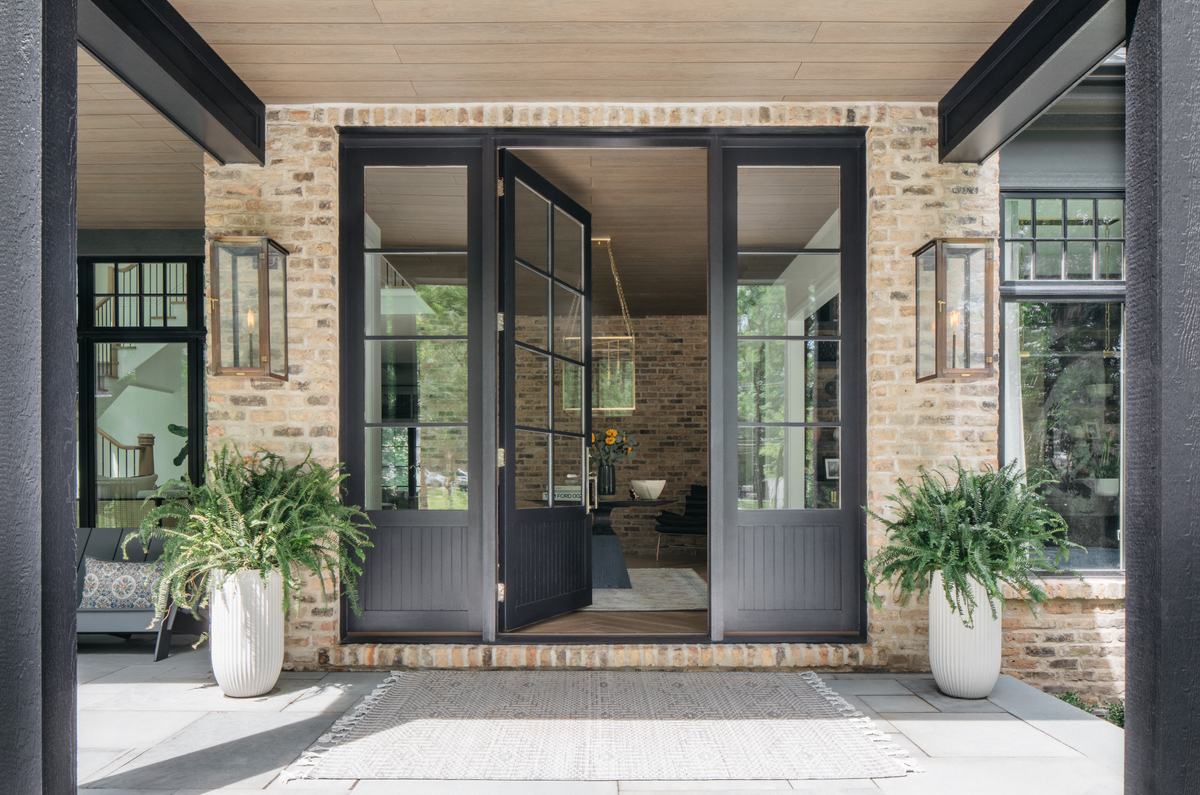
Double and triple-pane glass have two or three layers of glass separated by gas. This gas layer acts as insulation. It slows down heat transfer between inside and outside. Triple-pane glass offers better insulation than double-pane. These options reduce drafts and cold spots near the door. They also improve noise reduction for a quieter home.
Low-e Coatings
Low-E coatings are thin, invisible layers applied to glass surfaces. They reflect heat back inside during winter. In summer, they block heat from entering. This keeps your home warm in winter and cool in summer. Low-E coatings also reduce UV rays, protecting furniture and flooring from fading. This technology works well with double or triple-pane glass for maximum efficiency.
Credit: www.realhomes.com
Sealing And Frame Technology
The sealing and frame technology of your front door plays a vital role in security and energy efficiency. A well-sealed door stops drafts and keeps your home comfortable. The frame supports the door’s structure and affects heat loss. Modern doors use advanced sealing and frame designs to protect against weather and intruders. These features improve your home’s first impression and reduce energy bills.
Weatherstripping Importance
Weatherstripping seals gaps between the door and frame. It blocks cold air in winter and hot air in summer. Good weatherstripping reduces drafts and keeps moisture out. This helps maintain a steady indoor temperature. Durable weatherstripping lasts for years without cracking or peeling. Flexible materials fit tightly around the door edges. Proper weatherstripping increases your door’s energy efficiency and comfort.
Thermally Broken Frames
Thermally broken frames have a barrier inside the frame material. This barrier stops heat from moving through the frame. It prevents cold or heat from entering your home. Frames without this feature can cause heat loss and cold spots. Thermally broken frames improve insulation and reduce energy costs. These frames also help avoid condensation buildup on the door edges. Choosing a door with this technology boosts security and energy savings.
Security Features For Front Doors
Security is a key part of choosing a front door for your home. A strong door protects your family and belongings. It also gives you peace of mind. Front doors with good security features stand up to forced entry and tampering. Focus on materials, frames, and locks to boost safety. Modern technology adds smart options for extra control.
Strong Materials And Locks
Choose front doors made of steel, solid wood, or reinforced composite. These materials resist break-ins better than thin or hollow doors. Look for doors with multi-point locking systems. These locks secure the door at several points along the frame. High-quality deadbolts and anti-pick locks add extra protection. Secure hardware stops common burglary methods.
Reinforced Frames
The frame supports the door’s strength. Reinforced frames use steel or heavy-duty wood to resist force. Frames should be securely anchored to the wall structure. Reinforcement reduces the risk of the door being kicked open. Strong frames work with quality locks to form a solid barrier. Check for frames tested to meet UK security standards.
Smart Lock Integration
Smart locks offer convenience and advanced security. They allow keyless entry using codes, apps, or biometric data. Some models send alerts if someone tries to break in. Remote control lets you lock or unlock your door from anywhere. Choose smart locks that meet British security certifications. Integration with home security systems increases safety.
Certifications To Look For
Choosing the right front door means focusing on more than looks. Certifications guarantee energy savings and safety. They help you pick doors tested to meet strict standards. Certified doors bring peace of mind and lower bills.
Energy Star Standards
ENERGY STAR is a trusted mark for energy efficiency. Doors with this label use less energy and keep homes warmer. These doors have strong insulation and tight seals. They reduce heat loss during cold UK winters. Look for ENERGY STAR certified doors to cut energy costs and improve comfort.
Security Certifications
Security certifications show a door’s strength and resistance to break-ins. The British Standard BS 6375 and PAS 24 are key marks to check. PAS 24 means the door passed tough security tests. These tests include forced entry and lock strength. Certified doors protect your home better and deter intruders. Choose doors with these certifications to feel safe and secure.
Choosing The Right Door Style
The front door sets the tone for your home. It welcomes guests and shows your style. Choosing the right door style means finding a balance between security and design. It also means matching the door to your home’s look. The door should be strong and energy-efficient while looking great.
Balancing Security And Design
Security is the top priority for any front door. Strong materials like steel or fiberglass provide good protection. Doors with solid cores resist break-ins better. Design matters too. You want a door that looks inviting but still feels safe. Many modern doors combine sturdy frames with attractive finishes. Choose a style that offers both toughness and charm.
Matching Home Aesthetics
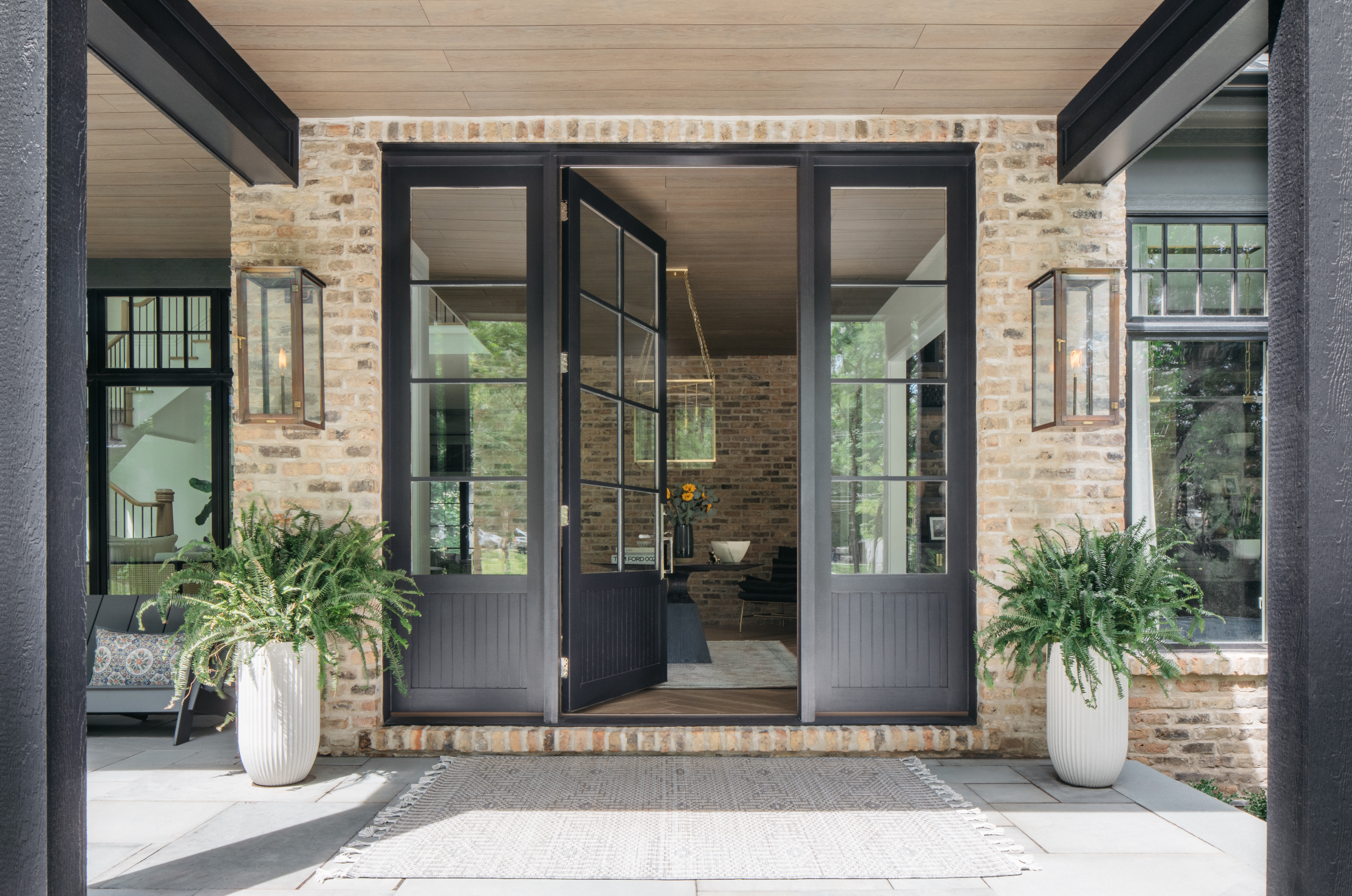
Your door should fit the style of your house. Traditional homes suit classic wood designs. Modern homes look great with sleek, simple doors. Consider the colour, shape, and panel style. A door that matches your home’s architecture adds value and appeal. Think about the size and glass features to keep the look balanced and elegant.
Credit: www.realhomes.com
Installation Tips For Performance
Proper installation is key to unlocking your front door’s full potential. A well-installed door enhances security and energy efficiency. It also improves the door’s durability and appearance. Poor installation can lead to drafts, water leaks, and security risks. Follow smart tips to get the best performance from your new front door.
Professional Installation Benefits
Experts have the right tools and skills for precise fitting. They ensure the door aligns perfectly within the frame. This prevents gaps that cause heat loss and drafts. Professionals also check the door’s operation and locking system. They can spot potential problems early, avoiding costly repairs later. Hiring a pro saves time and gives peace of mind. It guarantees your door meets UK building regulations and safety standards.
Common Installation Mistakes
Misaligned doors cause poor sealing and increased energy loss. Using wrong materials or fasteners can damage the frame or door. Ignoring weatherproofing leads to water damage and rot. Skipping insulation around the frame reduces thermal efficiency. Poorly fixed locks weaken security and increase break-in risk. Rushing the process often results in uneven gaps and poor fit. Avoid these errors by planning carefully and following guidelines. Proper installation boosts your door’s lifespan and performance.
Maintenance For Longevity
Maintaining your front door is key to ensuring it lasts long and performs well. Proper care helps keep its security features intact and maintains energy efficiency. Simple maintenance tasks prevent costly repairs and keep your door looking great.
Regular upkeep also protects the door from weather damage and wear. This saves energy by avoiding drafts and heat loss. A well-maintained door improves your home’s first impression and comfort.
Regular Inspections
Check your front door often for signs of damage. Look for cracks, warping, or loose hardware. Test the locks and hinges to ensure smooth operation. Early detection of problems stops bigger issues later.
Inspect the door frame and seals for gaps or wear. Small gaps let in cold air and reduce energy efficiency. Tighten screws and replace worn parts quickly to keep the door secure and weatherproof.
Weatherproofing Upkeep
Weatherproofing protects your door against rain, wind, and cold. Replace old or damaged weatherstripping to seal gaps. This prevents drafts and heat loss, saving on energy bills.
Apply a fresh coat of paint or sealant to wooden doors yearly. This shields the wood from moisture and sun damage. For metal doors, check for rust and treat it immediately to avoid spreading.
Keep the threshold clean and clear of debris. Proper drainage prevents water from pooling around the door base. Good weatherproofing extends the door’s life and keeps your home cozy.
Frequently Asked Questions
What Are The Most Energy-efficient Front Doors Uk?
The most energy-efficient front doors in the UK are fiberglass or steel doors with insulated foam cores. Choose double or triple-pane Low-E glass and weatherstripped, thermally broken frames. Look for ENERGY STAR certification to ensure top energy performance and durability.
What Are The Most Secure Front Doors In The Uk?
The most secure front doors in the UK are steel, composite, and solid hardwood doors with multi-point locking systems. Look for doors with reinforced frames and anti-drill, anti-pick features for maximum protection. Certified doors meeting British Standards BS PAS 24 offer proven security.
What Type Of Front Door Is Most Energy-efficient?
Fiberglass and steel doors with foam cores offer top energy efficiency. Choose double or triple-pane Low-E glass and airtight weatherstripping. Look for ENERGY STAR certification to ensure maximum insulation and reduced heat transfer. These features keep homes warm in winter and cool in summer.
What Is The Most Secure Front Door For A House?
The most secure front door is a solid steel or fiberglass door with a reinforced frame and high-quality deadbolt lock. Choose doors with multi-point locking systems for added protection. Look for impact-resistant glass and anti-pry features to enhance security further.
Conclusion
A secure, energy-efficient front door protects your home and saves money. Choose quality materials like fiberglass or steel with good insulation. Look for double or triple-pane glass with Low-E coatings to keep heat in. Ensure tight weatherstripping and thermally broken frames to stop drafts.
An ENERGY STAR-certified door guarantees strong energy performance. A well-chosen door improves your home’s look and comfort. Small changes can make a big difference in safety and energy costs. Your front door sets the tone for your entire home.