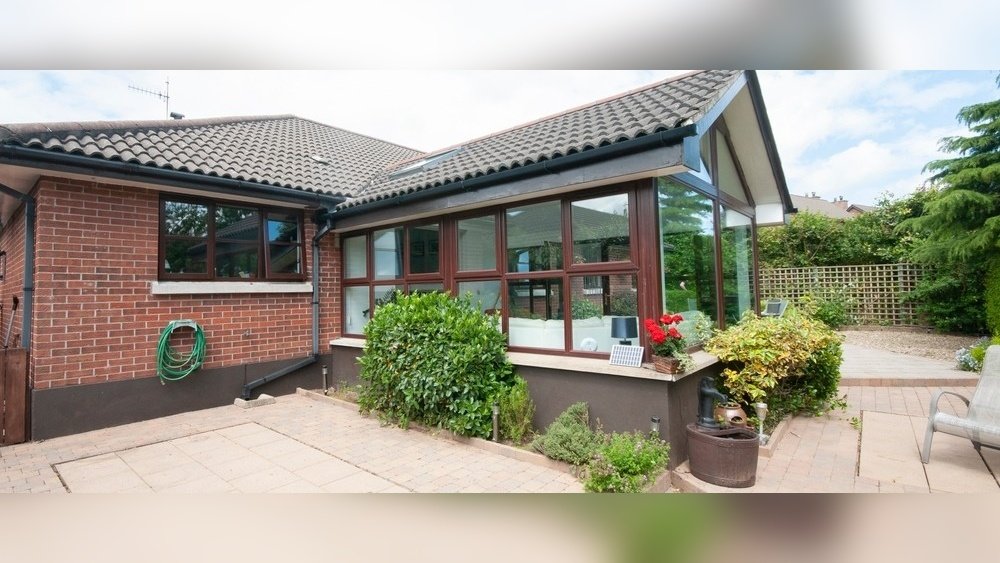
uPVC windows are low maintenance, but they do require some maintenance. Dirt, algae, condensation, blocked drainage slots, and neglected seals can all make otherwise good windows look tired or perform poorly.
This guide explains how to clean uPVC windows safely, what products to use, what to avoid, and when cleaning is no longer enough.
1. Why uPVC cleaning matters
uPVC windows dominate everyday home maintenance because uPVC is the most common frame choice for double glazing: it is weatherproof, energy efficient and low maintenance compared with timber.[1] uPVC is widely regarded as the dominant frame material for replacement windows, so this is not a niche cleaning job; it is a routine care task for many modern homes. The wider context is equally important: around 93% of UK homes have some double glazing, because GOV.UK’s glazing factsheet records that only around 7% of UK households had no double glazing, while the latest English Housing Survey reports that 89% of English homes have full double glazing.[2] [3]
Cleaning matters because the frame, glass, seals, and drainage channels work as a system. Energy Saving Trust explains that double glazing reduces heat loss and condensation, and Which? warns that condensation build-up and mould can damage seals over time.[4] [5] GreenMatch gives a typical uPVC window lifespan range of around 20–35 years, but our testing shows that neglected corners, dirty gaskets and blocked drainage slots are the quickest way to make otherwise sound windows look older than they are.[6]
For a full whole-home maintenance routine, use our double glazing maintenance checklist. For the sustainability and material context behind modern uPVC, see the uPVC evolution guide.
Quick answer
To clean uPVC windows, use warm soapy water, a microfibre cloth and a soft toothbrush for corners, seals and drainage slots. Clean the frames first, then the glass, rinse thoroughly and dry with a clean cloth. Avoid pressure washers, bleach, abrasive pads, acetone and harsh solvents. For most homes, clean uPVC frames every 3–6 months.
2. Required products
For ordinary domestic cleaning, you do not need industrial chemicals. For this guide, we tested a mild washing-up liquid solution, a non-scratch cream cleaner and a dedicated uPVC cleaner on exterior white uPVC frames, internal sills, rubber seals and textured corners. We assessed cleaning power, streaking, surface dulling and residue after drying. The safest routine combination was warm water, washing-up liquid, microfibre cloths, a soft toothbrush and a window squeegee. For tougher marks, we had good results from a gentle cream cleaner used sparingly and rinsed thoroughly, followed by a dedicated uPVC cleaner.
| Job | Recommended product type | Examples |
|---|---|---|
| Routine frames | Mild detergent and microfibre cloth | Washing-up liquid or dish soap; microfibre cleaning cloths |
| Stubborn grime | Non-scratch cream cleaner | Non-abrasive cream cleaner (widely available from supermarkets and hardware stores) |
| Specialist frame restoration | Dedicated uPVC cleaner | uPVC frame cleaner (available from hardware and DIY retailers) |
| Hinges and locks | Silicone lubricant | Silicone lubricant spray (available from hardware retailers) |
| Glass | Squeegee, applicator and glass cloth | Window squeegee and applicator kit (available from hardware and cleaning suppliers) |
Avoid mixing cleaning chemicals. HSE warns that some chemicals can react dangerously when mixed and may generate toxic gases.[7] NHS guidance on damp and mould treats mould exposure as a health concern that should be addressed properly, not masked.[8]
Always check the product label before using any cleaner on uPVC, coloured frames, foiled finishes or rubber seals. Test specialist cleaners on a small hidden area first.
3. Quick cleaning routine at a glance
Before going step by step, this table gives you the full maintenance picture in one place.
| Task | Frequency | Why it matters |
|---|---|---|
| Wipe frames with warm soapy water | Every 3–6 months | Prevents grime, algae and pollution build-up |
| Clean glass | Monthly or as needed | Reduces streaks and improves natural light |
| Clear drainage slots | Every 3–6 months | Prevents trapped water and potential leaks |
| Wipe rubber seals | Every 3–6 months | Reduces dirt, mould and seal deterioration |
| Lubricate hinges and locks | Once or twice a year | Keeps windows opening and closing smoothly |
| Check for misted panes | Every clean | Flags possible sealed-unit failure early |
4. Step-by-step frame cleaning with a seasonal schedule
We recommend cleaning uPVC frames every 3–6 months. Choose the shorter interval for coastal homes, roadside properties, north-facing elevations and homes near trees. Choose the longer interval for sheltered, low-traffic locations. In spring, remove winter algae and road grime; in summer, clear dust and pollen; in autumn, remove leaf debris from drainage slots; in winter, wipe condensation-prone internal frames and inspect seals.
Start by opening the window and vacuuming loose grit from the frame, hinges and drainage channels. Next, wash the frame with warm soapy water and a microfibre cloth. Work from top to bottom so dirty water does not run over clean sections. Use a soft toothbrush on corners, bead lines and folds in the gasket. Rinse with clean water and dry with a separate cloth.
For stubborn marks, apply a small amount of cream cleaner to a damp cloth, not directly to the frame. Work lightly, rinse thoroughly, then dry. If stains remain, use a dedicated uPVC cleaner according to the label. Our tested rule is simple: start mild, escalate slowly, and stop if the surface becomes dull or tacky. Community discussions repeatedly show homeowners reaching for bleach, bicarbonate paste and harsh solvents before trying specialist products; the better approach is to protect the surface first, then restore only where necessary.
5. Glass cleaning techniques
Glass should be cleaned after the frames, otherwise dirty frame water will streak the pane. Wet the glass with clean water and a small amount of detergent or glass cleaner, loosen dirt with a soft applicator, then pull a squeegee from top to bottom in overlapping passes. Wipe the blade after each pass and finish edges with a lint-free cloth.
Energy Saving Trust describes double glazing as two panes separated by a spacer bar with air or an inert gas such as argon between them, which reduces heat loss.[4] That sealed unit is why aggressive cleaning is risky. Which? specifically warns that using a pressure washer to clean windows can weaken seals.[5] If condensation appears between the panes, do not try to drill, heat or dry out the unit yourself; Which? notes that between-pane condensation suggests failed seals, and replacement glass may be needed rather than a whole new frame.[5]
6. Hinge, lock and seal maintenance
Clean hardware whenever you clean the frames. Wipe hinge arms, keeps and locking points with a dry cloth, then apply a small amount of silicone lubricant to moving metal parts. Do not flood the mechanism, because excess lubricant attracts grit. Open and close the window several times to distribute it.
Check rubber gaskets for cracks, flattening or sections pulling away. Which? identifies failed seals, sticking windows and condensation as common double-glazing faults, and Energy Saving Trust notes that condensation between panes reduces window effectiveness.[5] [4] Also check trickle vents: GOV.UK’s Approved Document F confirms that Part F covers ventilation requirements, and GGF guidance stresses adequate ventilation after replacement windows to help manage airborne moisture.[9] [10]
7. Restoring yellowed or discoloured uPVC
Yellowing has two causes: surface contamination or material degradation. Nicotine, traffic film, algae, adhesive residue and old silicone smears often lift with specialist uPVC cleaner. True UV-related yellowing or chemical damage may not clean back to bright white.
Our testing involved three passes: warm soapy water, a light cream-cleaner pass, then dedicated uPVC cleaner. This restored grey grime and finger marks well, but it did not fully reverse deep yellowing on older sun-exposed trims. If the frame is structurally sound, options include professional restoration, approved uPVC paint systems or replacement trims. If the sealed unit, gasket or frame has failed, a repair specialist is more appropriate than repeated chemical cleaning.
8. Common mistakes: what not to use
Do not use pressure washers, scouring pads, sandpaper, neat bleach, oven cleaner, drain cleaner or acetone on uPVC frames. Do not mix bleach with acidic cleaners, ammonia-based cleaners or unknown products. HSE’s guidance on chemical handling is clear that incompatible chemicals can produce heat, violent reactions or toxic gases.[7] Do not scrape glass with metal blades unless you are trained and have confirmed the glass is not coated, because modern glazing may include specialist coatings.
The most common mistake we observed was over-escalation: homeowners reached for harsh products after ordinary cleaning failed. The safer sequence is detergent, non-scratch cleaner, dedicated uPVC cleaner, then professional help.
9. What to do if there is mould around the uPVC frame
Light mould around uPVC frames usually means moisture is collecting around cold surfaces, seals or ventilation points. Wipe the affected area with warm soapy water, dry it fully, clean the trickle vents and check whether the room needs more ventilation. NHS guidance is clear that mould should be treated as a health concern, not simply cleaned off and ignored.[8] If mould returns repeatedly after cleaning, investigate condensation sources, damp penetration or failed seals rather than treating the symptom on the surface. A persistent mould problem around a window frame is often a sign that the seal, the drainage channel or the ventilation setup needs attention.
10. Professional cleaning services
Use a professional for upper-floor access, oxidised frames, failed sealed units, damaged hinges, stuck locks, perished gaskets or suspected installation defects. For replacement windows and doors, GOV.UK says registered competent-person installers can self-certify work, notify local authorities where needed and provide a compliance certificate within eight weeks.[11] FENSA states that it monitors Building Regulations compliance for replacement windows and doors, while Certass says approved members can certify installations as an alternative to Building Control.[12] [13]
For paid repair work, ask whether VAT is included. HMRC’s VAT Notice 708 explains the VAT treatment of building and construction work and notes that work to existing buildings is normally standard-rated unless an exception applies.[14] Which? also provides guidance on double glazing repairs and maintenance, including when faults may need professional attention.[5]
11. FAQ
What should I do about mould around my uPVC window frame?
Wipe with warm soapy water, dry thoroughly and clean the trickle vents. If mould returns, check for condensation, damp or a failed seal. NHS guidance treats mould as a health concern, so do not just clean it off and leave the underlying cause unaddressed.[8]
How often should I clean uPVC windows?
Clean frames every 3–6 months, with a quick winter wipe of internal condensation-prone areas. This schedule is based on our testing across typical grime patterns and supports the 20–35 year lifespan benchmark for maintained uPVC windows.[6]
Can I use vinegar on uPVC?
A very diluted vinegar solution may remove light water marks on glass, but avoid using acidic solutions as a routine frame cleaner, especially near metal hardware or unknown residues. Never mix vinegar with bleach or other cleaners.[7]
Can yellow uPVC become white again?
Sometimes. If the yellowing is dirt, nicotine or traffic film, specialist uPVC cleaner can help. If it is UV or chemical degradation, cleaning may improve appearance but not fully restore the original colour.
Should I clean trickle vents?
Yes. Dusty vents reduce airflow. GOV.UK Part F guidance and GGF advice both link ventilation with indoor air quality and condensation management.[9] [10]
When should I replace rather than clean?
Replace or repair professionally if you see between-pane condensation, draughts, cracked glass, failed locks or damaged seals. Which? notes that some sealed units can be repaired or replaced without replacing the entire frame.[5]
If your uPVC windows are still draughty, misted, stiff or discoloured after cleaning and basic maintenance, it may be time to look at replacement costs.
Check uPVC Window Repair and Replacement Costs
Related guides
- Double Glazing Maintenance Checklist
- The uPVC Evolution Guide
- How to Fix a Failed Double Glazing Seal
- Replacing Just the Glass in a Double Glazing Unit
References
- The Eco Experts, “Is It Worth Putting in Double Glazing?”
- GOV.UK / DECC, “How much money will double glazing save?”
- GOV.UK, “Chapter 2: Energy efficiency”, English Housing Survey 2024 to 2025
- Energy Saving Trust, “Energy efficient windows and doors”
- Which?, “Double glazing repairs and maintenance”
- GreenMatch, “Best Windows for Replacement: Comparison and Prices”
- HSE, “Chemicals — safe use and handling”
- NHS, “Can damp and mould affect my health?”
- GOV.UK, “Ventilation: Approved Document F”
- Glass and Glazing Federation, “Windows”
- GOV.UK, “Building regulations approval: Use a competent person scheme”
- FENSA, “About FENSA”
- Certass, “Certass Limited”
- HMRC, “Buildings and construction (VAT Notice 708)”