Choosing the right window material for your home in the UK can feel overwhelming. You want something that looks great, lasts long, and fits your budget.
But with options like uPVC, aluminium, and timber, how do you decide which one truly suits your needs? Each material offers unique benefits and some drawbacks, and your choice will impact your home’s style, energy efficiency, and maintenance routine. In this ultimate showdown, we break down everything you need to know about uPVC, aluminium, and timber windows—so you can confidently pick the perfect fit for your home and lifestyle.
Keep reading to discover which window material comes out on top for you.
Material Characteristics
Choosing the right window material means understanding its key characteristics. Each option—uPVC, aluminium, and timber—has unique traits that affect performance and style. Knowing these can guide your decision for the best fit in UK homes.
This section breaks down durability, maintenance, insulation, and look. These features impact how the material performs over time and how it complements your home’s design.
Durability Comparison
Aluminium stands out for strength and resistance to weather. It does not rust or warp easily. uPVC resists rot and corrosion well but can crack under extreme cold. Timber is strong but needs protection against moisture and pests. Without care, timber may swell or decay.
Maintenance Needs
uPVC requires the least upkeep. A simple wipe keeps it clean and fresh. Aluminium also needs little care but may need occasional painting to avoid fading. Timber demands regular painting or staining to protect against moisture and wear. Neglecting timber leads to costly repairs.
Insulation Properties
Timber naturally insulates well, keeping homes warm in winter. uPVC offers good thermal insulation, helping reduce energy bills. Aluminium is less effective alone but performs better with thermal breaks. Proper insulation improves comfort and energy efficiency.
Aesthetic Appeal
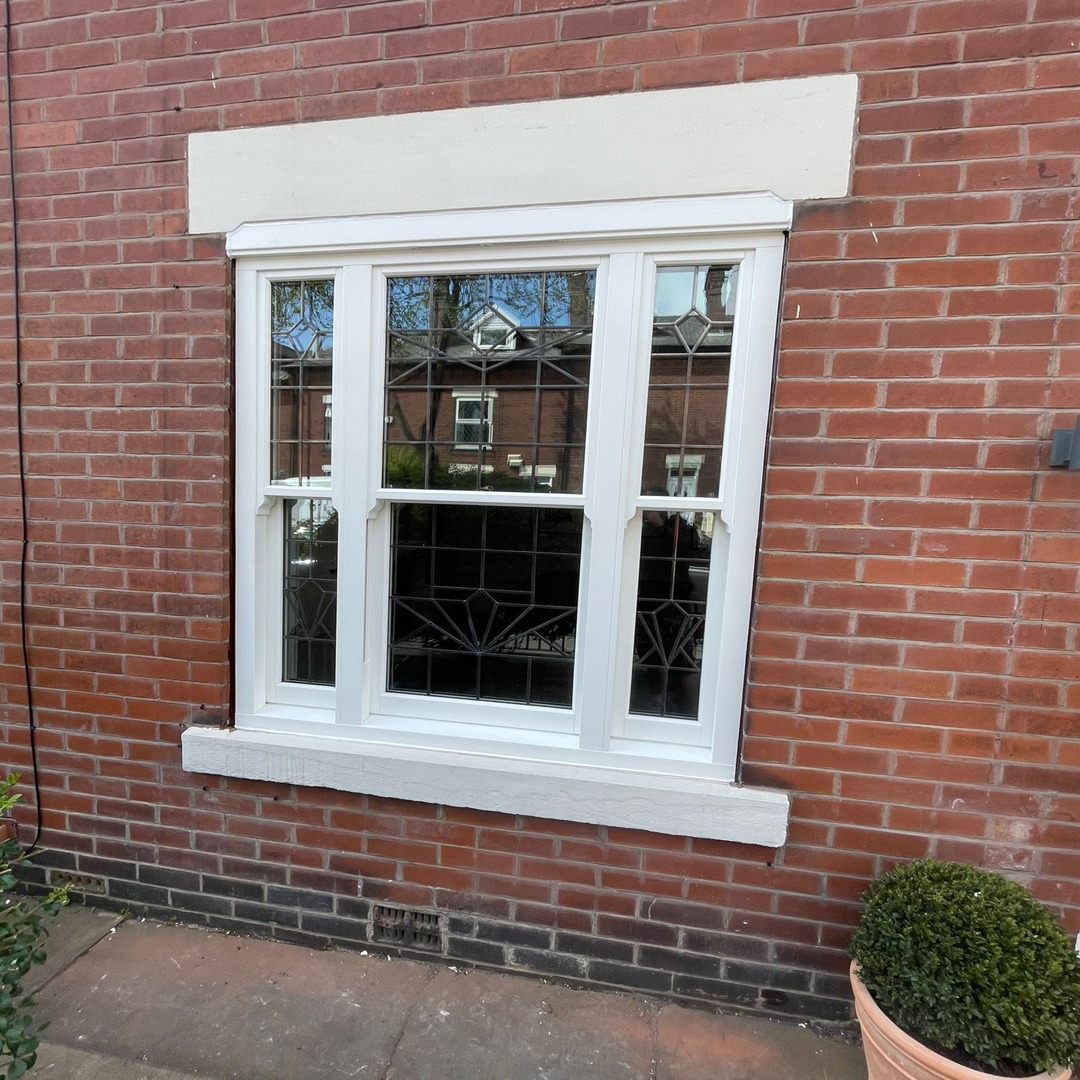
Timber provides a warm, classic look with natural grain. It suits traditional and period homes. Aluminium offers a modern, sleek style with slim frames and many colour options. uPVC has a clean, simple appearance and can mimic wood grain. Each material fits different home styles and tastes.

Credit: expresswindowsgroup.co.uk
Cost Considerations
Cost plays a crucial role in choosing window materials. It affects your budget now and future expenses. Understanding different costs helps you pick the best option for your home. Let’s explore the main cost factors for uPVC, aluminium, and timber windows.
Initial Purchase Price
uPVC windows usually have the lowest upfront price. They offer good value for basic needs. Aluminium windows cost more due to strength and design. Timber windows are often the most expensive. Their natural look and quality wood raise the price.
Installation Expenses
Installing uPVC windows is often quicker and cheaper. Lightweight frames make fitting easier for installers. Aluminium requires skilled fitting, increasing labour costs. Timber installation can be costly too. It needs careful handling to avoid damage during fitting.
Long-term Value
uPVC windows need little maintenance, saving money over time. Aluminium windows last long and resist weather well. They keep their look with minimal care. Timber windows may require regular painting or treatment. This adds to long-term upkeep costs. Yet, timber can boost home value with its classic appeal.
Energy Efficiency
Energy efficiency plays a key role in choosing the best window material. It affects your home’s warmth and comfort throughout the year. Energy-efficient windows reduce heat loss in winter and keep the house cool in summer. This saves energy and lowers your carbon footprint. Let’s compare uPVC, aluminium, and timber on this important factor.
Thermal Performance
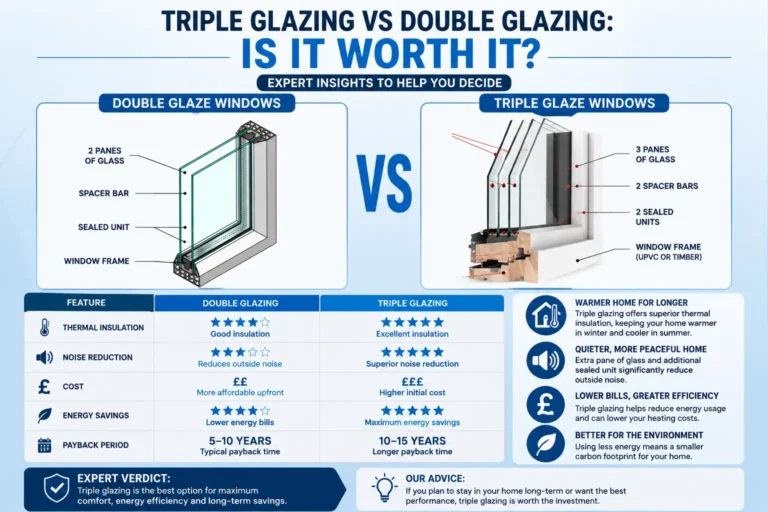
uPVC windows offer excellent thermal insulation. The material itself does not conduct heat well. Multi-chambered uPVC frames trap air, boosting insulation. Double or triple glazing works well with uPVC to reduce heat loss.
Aluminium frames conduct heat easily, which can cause cold spots. Modern aluminium windows include a thermal break, a plastic section that reduces heat flow. This improves insulation but still falls short of uPVC and timber.
Timber is a natural insulator. Wood frames provide good thermal performance without extra features. They keep heat inside during winter and block heat outside in summer. Properly treated timber resists moisture and lasts long.
Impact On Heating Bills
Good thermal performance lowers your heating costs. uPVC windows help keep heat inside. This reduces the need for extra heating in cold months. Many UK homes benefit from the energy savings uPVC provides.
Aluminium windows without thermal breaks can increase heating bills. Heat escapes through the frame, making your heater work harder. Thermal breaks improve this, but aluminium still loses more heat than uPVC or timber.
Timber windows also help cut heating bills. They keep warmth inside effectively. Maintaining timber well prevents drafts and air leaks. This ensures your heating system works efficiently and your bills stay lower.

Credit: expresswindowsgroup.co.uk
Environmental Impact
The environmental impact of window materials matters a lot. Choosing the right frame affects energy use, waste, and natural resources. This section looks at sustainability and recyclability of uPVC, aluminium, and timber frames. Understanding these factors helps make an eco-friendly decision for your UK home.
Sustainability Of Materials
Timber is a natural material that can be sustainable. It grows back over time and stores carbon. Certified wood means it comes from well-managed forests. uPVC is made from plastic, which relies on fossil fuels. Its production uses energy and creates pollution. Aluminium needs a lot of energy to produce but lasts a long time. It can reduce the need for replacements over time.
Recyclability And Waste
Aluminium is highly recyclable without losing quality. Recycling aluminium saves a lot of energy compared to making new metal. Timber can be reused or recycled as wood chips or mulch. uPVC recycling is possible but less common. Many uPVC windows end up in landfill. Proper recycling reduces waste and environmental harm in the long run.
Security And Strength
Security and strength play vital roles in choosing window materials. Windows must protect homes from break-ins and stand firm against harsh weather. Each material—uPVC, aluminium, and timber—offers unique qualities. Understanding their resistance to break-ins and structural integrity helps homeowners pick the best option.
Resistance To Break-ins
Aluminium windows offer high resistance to break-ins. Their strong metal frames make forced entry difficult. uPVC windows vary but often include steel reinforcement for added security. Pure uPVC alone is less sturdy than aluminium or timber. Timber windows can be strong but need high-quality locks and regular maintenance. Soft or old timber weakens security over time. Secure locking systems improve all window types’ safety. Overall, aluminium leads in break-in resistance, followed by reinforced uPVC, then timber.
Structural Integrity
Aluminium windows maintain shape and strength under pressure. They resist warping, bending, and cracking. uPVC can expand or contract in extreme temperatures, affecting fit. Reinforced uPVC frames reduce this issue. Timber windows provide good structural integrity if properly cared for. Untreated wood may swell or rot, weakening frames. Regular upkeep preserves timber’s strength. Aluminium frames require less maintenance and keep their form longer. For lasting structural integrity, aluminium stands out, with timber and uPVC close behind depending on care and reinforcement.
Design Flexibility
Design flexibility plays a big role when choosing window materials. It affects how well the windows fit your home’s style and your personal taste. Different materials offer different options for shapes, sizes, and styles. This section explores how uPVC, aluminium, and timber compare in design freedom.
Customization Options
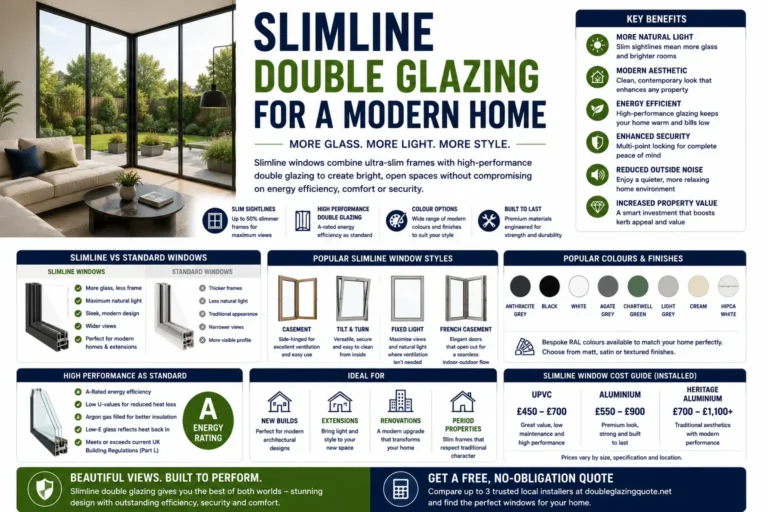
uPVC windows come with many preset shapes and sizes. They are easy to install but have limited custom shapes. Aluminium offers more freedom in design because it is strong yet lightweight. It supports larger glass panels and slim frames for modern looks. Timber is the most flexible for customization. It can be carved or shaped to match classic or unique styles. Timber windows can be custom-built to fit odd shapes or historic homes.
Colour And Finish Variety
uPVC windows usually come in white or cream, with few colour choices. Some brands offer woodgrain finishes but these are limited. Aluminium windows shine with a wide range of colours and finishes. They can be powder-coated in almost any colour, even bright or dark tones. Timber windows allow natural wood finishes or paint in any colour. You can sand and stain timber for a warm, natural look. Both aluminium and timber offer more colour freedom than uPVC.
Longevity And Lifespan
Choosing the right window material means understanding how long it lasts. Longevity and lifespan are key factors for any homeowner. Windows face weather changes, sun, rain, and wind every day. The material must stay strong and look good for years. This section breaks down the expected lifespan of uPVC, aluminium, and timber. It also shows signs to watch for that indicate wear and tear.
Expected Lifespan Of Each Material
uPVC windows usually last 20 to 40 years. They resist rot and rust well but can become brittle over time. Aluminium windows have a long life, often 30 to 50 years. They resist corrosion and need less maintenance. Timber windows can last 30 to 80 years if cared for. They need regular painting and sealing to avoid decay. Each material’s lifespan depends on climate and upkeep.
Signs Of Wear And Tear
uPVC may show cracks, discoloration, or warping after many years. Frames might become stiff or loose. Aluminium can develop small scratches or dents. Look for rust spots, especially near joints. Timber shows signs through peeling paint, cracks, or soft spots. Wood may swell or shrink with moisture changes. Early repair keeps windows strong and safe.
Climate Suitability
Choosing the right window material for the UK means considering the local climate. Weather here can be wet, cold, and change quickly. Each material reacts differently to these conditions. Climate suitability is key to ensuring windows last long and perform well.
Understanding how uPVC, aluminium, and timber handle UK weather helps you pick the best option. This section breaks down their strengths and weaknesses in typical British weather.
Performance In Uk Weather
uPVC windows handle cold and rain well without damage. They keep warmth inside, reducing heating costs. Aluminium frames are strong against wind and rain but can feel cold to touch. Timber offers natural insulation but needs regular care to avoid weather damage. All three can work in the UK, but maintenance needs differ.
Resistance To Moisture And Temperature Changes
uPVC resists moisture and does not rot or swell. It stays stable through temperature shifts. Aluminium does not absorb water but can expand and contract with heat. This may cause minor gaps over time. Timber is vulnerable to moisture, causing warping or rot if untreated. Proper sealing and treatment improve timber’s lifespan in the UK climate.
Popular Uk Manufacturers
Choosing the right window material also means knowing the best manufacturers. UK companies lead in making high-quality uPVC, aluminium, and timber windows. Each material has top brands that focus on durability, style, and energy efficiency. Understanding these manufacturers helps buyers find windows that fit their needs and budgets.
Top Brands For Each Material
For uPVC, companies like Everest, Safestyle UK, and Origin Windows stand out. They offer affordable, low-maintenance options with good insulation. Aluminium window brands such as Reynaers Aluminium, Senior Architectural Systems, and Smart Architectural Aluminium provide sleek, strong, and modern designs. Timber window manufacturers like Anglian Home Improvements, Timber Windows UK, and JELD-WEN UK focus on classic looks and natural warmth. Each brand reflects the material’s unique benefits and suits different home styles.
Customer Reviews And Ratings
Customer feedback reveals real experiences with these manufacturers. Everest often receives praise for fast installation and energy savings. Safestyle UK scores well for budget-friendly prices and good customer service. Reynaers Aluminium is known for quality and long-lasting frames, though some find it pricier. Timber brands like Anglian get high marks for beautiful finishes and craftsmanship but require more care over time. Checking reviews helps buyers pick trusted manufacturers with proven results.
Credit: manchesterwindowfactory.co.uk
Frequently Asked Questions
Which Is Better For Windows, Upvc Or Aluminium?
UPVC windows offer better insulation and affordability. Aluminium windows provide superior durability and a sleek look but cost more. Choose uPVC for energy efficiency and low maintenance; select aluminium for strength and modern aesthetics.
Are Timber Windows Better Than Upvc?
Timber windows offer natural insulation and classic beauty but need regular maintenance. UPVC windows are low-maintenance, affordable, and energy-efficient. Choose timber for aesthetics and uPVC for durability and cost-effectiveness.
Who Is The Best Window Manufacturer In The Uk?
Anglian Windows, Everest, and Origin are top UK window manufacturers known for quality, durability, and excellent customer service.
What Is The Disadvantage Of Upvc?
UPVC can discolor over time and has a shorter lifespan than aluminium or timber. It also may warp in extreme heat.
Conclusion
Choosing the right window material depends on your needs and budget. UPVC offers low cost and easy upkeep. Aluminium stands out for strength and modern looks. Timber brings warmth and classic charm but needs care. Each material suits different homes and styles.
Think about durability, appearance, and maintenance before deciding. The best window material matches your lifestyle and home design. Simple choices lead to lasting satisfaction with your windows.