Are you thinking about adding more space and light to your home but unsure whether to choose a conservatory or an orangery? Both options can transform your living area, bringing the outdoors inside and creating a beautiful new space to enjoy.
But which one suits your lifestyle, budget, and home style best? This guide will help you cut through the confusion by clearly comparing conservatories and orangeries, so you can confidently choose the right extension for your home. Keep reading to discover what makes each option unique—and find out which one fits your needs perfectly.
Conservatory Basics
A conservatory adds charm and extra space to your home. It blends indoor comfort with outdoor views. Understanding its basics helps in making the right choice. This section covers design, light benefits, and common uses.
Design And Structure
Conservatories have glass walls and roofs. They use lightweight frames made from uPVC, wood, or aluminium. The design can be simple or ornate. Most have a pitched roof to let in sunlight. This structure creates a bright and airy space.
Light And View Benefits
Large glass panels let in plenty of natural light. This makes the room feel open and warm. You can enjoy garden views all year round. Natural light improves mood and reduces electricity use during the day.
Common Uses
People use conservatories as dining areas, lounges, or playrooms. They also make great greenhouses or home offices. The space can be adapted to suit many needs. It often becomes a favourite spot for family and guests.
Orangery Features
An orangery offers a unique blend of classic style and modern comfort. It differs from a conservatory by having more solid walls and less glass. This design helps create a cozy space that feels like a true part of your home. Understanding orangery features helps you decide if it suits your needs.
This section covers key aspects like construction, roof design, and aesthetics. Each feature plays a role in how the orangery looks and performs.
Construction And Materials
Orangeries use strong materials like brick or stone for walls. This makes the structure sturdy and well-insulated. Timber or aluminum frames support the windows and roof. These materials keep the space warm in winter and cool in summer. Quality materials also improve the orangery’s lifespan and reduce maintenance.
Roof And Wall Design
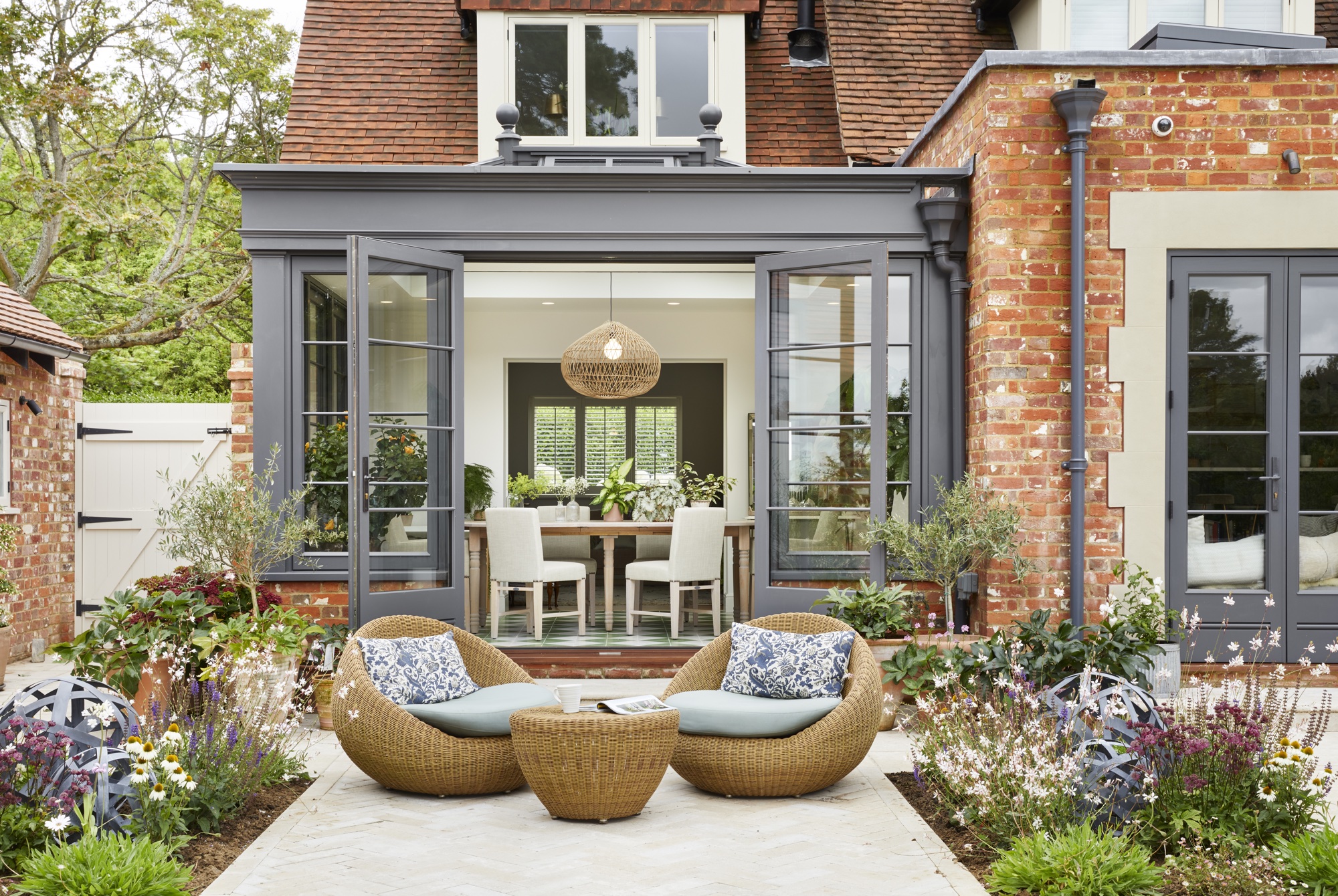
The roof of an orangery usually combines glass with solid panels. This allows natural light to enter while keeping the heat inside. The walls are mostly solid with large windows or French doors. This design offers privacy and better temperature control. The raised roof often includes a central lantern for extra light.
Aesthetic Appeal
Orangeries add a touch of elegance to any home. Their solid walls blend well with traditional house designs. The mix of glass and brick gives a balanced look of openness and solidity. Custom details like decorative moldings and finishes enhance charm. This creates a warm, inviting space perfect for relaxing or entertaining.
Cost Considerations
Cost plays a major role in deciding between a conservatory and an orangery. Understanding all financial aspects helps make a wise choice. This section breaks down the main cost factors of each option. Keep your budget and future expenses in mind.
Initial Investment
Conservatories usually cost less to build than orangeries. They use more glass and lighter frames, which lowers material costs. Orangeries have solid walls and a stronger frame. This adds to the price but offers a more permanent feel.
Labor costs may also be higher for orangeries due to complex designs. Planning permissions and building regulations can affect the initial price too. Always get multiple quotes to compare before deciding.
Long-term Value
Orangeries add strong value to homes because they feel like full extensions. They offer better insulation and durability. Conservatories may lower heating costs less effectively, impacting long-term savings.
Both structures improve living space and light, which appeals to buyers. Orangeries often have a higher resale value due to their solid build. Consider your home’s style and market when weighing value.
Maintenance Expenses
Conservatories need regular cleaning of glass panels to keep them clear and bright. Glass repairs can be costly if damaged. Frames may require repainting or sealing over time.
Orangeries require less frequent upkeep on walls and roofs. Solid materials resist weather better, reducing repair costs. Still, keep gutters and seals in good shape to avoid leaks and drafts.
Choose a design that fits your time and budget for upkeep to avoid surprises later.
Credit: www.valuedoors.co.uk
Energy Efficiency
Energy efficiency plays a major role in choosing between a conservatory and an orangery. These home extensions differ in how well they keep your space warm in winter and cool in summer. Understanding their energy performance helps you save money and stay comfortable all year.
Insulation Differences
Orangeries usually have thicker walls and roofs with better insulation. They use solid materials that reduce heat loss. Conservatories have more glass, which can let heat escape easily. Modern conservatories use double or triple glazing to improve insulation. Still, orangeries offer stronger protection against cold and noise.
Heating And Cooling Needs
Conservatories need more heating in winter because glass cools down quickly. They also can become very hot in summer under direct sunlight. Orangeries keep heat longer and stay cooler thanks to their solid structure. Heating and cooling costs tend to be lower with an orangery. Adding blinds or vents helps control temperature in both types.
Seasonal Comfort
Orangeries provide a more stable indoor climate throughout the year. They feel like a natural part of your home. Conservatories offer bright, airy spaces but can be less comfortable during extreme weather. Choosing the right extension depends on your climate and how you plan to use the space. Both can work well with the right design and materials.
Planning And Regulations
Planning and regulations play a vital role in choosing between a conservatory or orangery. These rules ensure your extension is safe, legal, and well-built. Understanding local building codes, permit requirements, and longevity standards saves time and expense. It helps create a space that lasts and meets your needs.
Building Codes
Building codes set minimum safety and quality standards for home extensions. They cover structural integrity, insulation, and fire safety. Both conservatories and orangeries must comply with these codes. This ensures the extension is stable and energy-efficient. Checking local codes before starting prevents costly modifications later.
Permit Requirements
Most home extensions require permits from local authorities. The permit process involves submitting plans and inspections. Conservatories may sometimes qualify for permitted development rights, avoiding full planning permission. Orangeries usually need formal planning approval due to their solid construction. Securing permits early avoids legal issues and fines.
Longevity Standards
Longevity standards focus on how long the extension will last and perform well. Modern regulations demand stronger, more durable materials and construction methods. Extensions must withstand weather changes and daily use for at least ten years. Meeting these standards means fewer repairs and better comfort in your new space.

Credit: edwardgeorgelondon.com
Space And Layout Options
Choosing between a conservatory or an orangery involves thinking about space and layout. Both options add valuable room but differ in design and flexibility.
Understanding how each fits with your home’s flow helps in making the best choice. Consider how the new space connects with existing rooms and your lifestyle needs.
Room Integration
A conservatory often feels like a separate glass room, perfect for enjoying sunlight. It can create a bright space but may not blend fully with your home’s style.
An orangery uses more solid walls and a structured roof. This makes it feel like a natural part of your house. It offers smoother transitions between rooms and can match traditional or modern decor.
Privacy Levels
Conservatories usually have large glass panels, which means less privacy from neighbors. Curtains or blinds may be needed to create a cozy feel.
Orangeries have more brick or solid wall space, giving better privacy. This design suits those who want a quiet retreat without feeling exposed.
Functional Uses
Conservatories suit casual uses like reading, dining, or growing plants. Their light and airy nature invites relaxation and outdoor views.
Orangeries work well as living rooms, kitchens, or home offices. The solid structure supports furniture and fittings, making the space practical and versatile.
Design And Style Choices
Design and style choices shape the look and feel of your new home extension. Both conservatories and orangeries offer unique design options. These options can match traditional or modern tastes. The choice affects how the extension blends with your home. Understanding design elements helps you pick the best fit for your space.
Materials and customization also play a big role. These factors impact the extension’s durability and charm. The right design makes your space comfortable and inviting all year round.
Traditional Vs Modern
Traditional conservatories often feature classic shapes and plenty of glass. They bring a light, airy feel to your home. Orangeries lean towards solid walls with large windows and a lantern roof. This style adds elegance and warmth. Modern designs use clean lines and minimalist details. They fit well with contemporary homes. Both styles can be tailored to suit your taste.
Material Combinations
Wood frames offer a warm, natural look and good insulation. Aluminum frames are strong, low-maintenance, and slim. UPVC is budget-friendly and comes in many colors. Glass choices impact light and energy use. Double or triple glazing improves insulation. Combining materials can create a unique, stylish extension. Think about durability, upkeep, and energy efficiency.
Customization Ideas
Add roof vents or blinds to control sunlight and temperature. Choose flooring that suits indoor and outdoor use. Include built-in seating or planters for extra comfort. Lighting can set the mood for day or night. Use bi-fold or sliding doors to connect with your garden. Personal touches make the space truly yours and enhance daily living.
Installation Process
The installation process plays a crucial role in deciding between a conservatory or an orangery. It affects the time, cost, and final look of your home extension. Understanding what to expect during installation helps you prepare better and avoid surprises.
Both conservatories and orangeries require careful planning and skilled work. The process involves several stages, from groundwork to finishing touches. Knowing these steps can ease your decision and improve satisfaction with the result.
Timeline Expectations
Installing a conservatory usually takes less time than an orangery. Conservatories often involve more glass and lighter structures. This can speed up the build, often completing within a few weeks.
Orangeries take longer due to their solid walls and heavier frames. The installation may take several weeks to a few months. Delays can occur because of weather or supply issues.
Planning ahead and clear communication with builders can keep the timeline realistic.
Professional Expertise
Both types require skilled professionals for a quality finish. Conservatories need experts familiar with glass fitting and weatherproof sealing. Orangeries demand builders who can handle brickwork and roofing well.
Choosing experienced contractors reduces risks and ensures safety standards. Professionals can also offer advice on insulation and ventilation to improve comfort.
Check credentials and reviews before hiring anyone.
Potential Challenges
Weather can delay installation, especially for orangeries with more external work. Heavy rain or cold can slow down building and drying times.
Unexpected structural issues may arise. These include uneven ground or hidden wiring. Such problems can increase costs and extend timelines.
Permits and planning permissions might also cause delays if not handled early. Preparing documents beforehand helps smooth the process.
Comparing Extensions
Choosing the right home extension can be confusing. Each type has its own benefits and style. Understanding the key differences helps you make the best choice. This section compares extensions, conservatories, and orangeries. It shows what fits best for your home and lifestyle.
Extension Vs Conservatory
Extensions are built with solid walls and a traditional roof. They provide better insulation and security. Conservatories have glass walls and roofs. They let in more light but can lose heat easily. Extensions usually cost more but last longer. Conservatories create a bright and airy space. They connect your home with the garden visually.
Extension Vs Orangery
Orangeries blend solid walls with glass elements. They look like a mix of extensions and conservatories. Orangeries have less glass than conservatories but more than extensions. They offer a warmer, more private space than conservatories. Extensions give full control over insulation and design. Orangeries add style with their strong frames and roof lanterns. Both provide good value but suit different tastes.
Best Fit For Your Home
Think about your home’s style and space needs. Extensions work well for extra rooms and better insulation. Conservatories suit those who want more natural light and garden views. Orangeries fit homes needing a stylish, versatile space. Consider your budget and how you plan to use the space. Match the extension style with your home’s architecture. This creates a seamless and attractive look.
Expert Tips For Decision Making
Choosing between a conservatory and an orangery takes careful thought. This decision affects your home’s look and feel for years. Expert tips help you make the best choice. They focus on your needs, budget, and future plans. Use these tips to find the right extension for your home.
Assessing Your Needs
Consider how you want to use the new space. Will it be a dining area, lounge, or playroom? Think about light and privacy levels you prefer. Conservatories offer more glass and natural light. Orangeries provide a mix of glass and solid walls for privacy. Match the extension style to your lifestyle and family size.
Budget Planning
Set a clear budget before starting your project. Conservatories usually cost less than orangeries. But factor in quality materials and insulation for comfort. Remember to budget for planning permissions and installation fees. A well-planned budget avoids surprises and delays during the build.
Future Proofing
Think about your home’s future needs. Will your family grow or change? Choose an extension that can adapt to new uses. Orangeries often allow easier structural changes later. Good insulation and heating ensure year-round comfort. A future-proof extension adds value and saves money over time.
Credit: www.livingetc.com
Frequently Asked Questions
What Is The Downside Of An Orangery?
Orangeries can cause heat loss in winter and heat buildup in summer due to large glass areas. Proper insulation and heating are essential. They also tend to be more expensive than conservatories because of solid wall construction and complex roofing.
What Is The 10 Year Rule For Conservatory?
The 10 year rule for conservatories requires them to demonstrate at least ten years of continuous use. This ensures durability and quality.
Are Orangeries Better Than Conservatories?
Orangeries offer more solid structure and luxury, while conservatories provide lighter, glass-filled spaces with better garden views.
Is It Better To Have An Extension Or Conservatory?
Extensions offer better insulation, security, and value, while conservatories provide natural light and garden views. Choose based on your needs.
Conclusion
Choosing between a conservatory and an orangery depends on your style and needs. Conservatories offer bright, airy spaces with lots of glass. Orangeries provide a solid, traditional feel with better insulation. Think about how you will use the space year-round.
Consider your budget, design preferences, and energy efficiency. Both options add value and comfort to your home. Take your time and weigh the pros and cons carefully. This will help you make the best choice for your home extension.