Vertical sliding sash windows cost between £600 and £4,000 per window in the UK (2025, supply and fit), depending on material, glazing specification, and frame profile. Modern double-glazed versions achieve Window Energy Ratings of A to A+, meet current Building Regulations Part L U-value requirements, and are available in heritage-matched slim profiles that satisfy most conservation area planning conditions. They remain the dominant window choice for pre-1940 period properties across England and Wales.
That’s the short answer. But if you’re weighing up replacement versus repair, trying to navigate listed building consent, or deciding whether sash or tilt-turn windows make more sense for your home, the detail matters considerably – and the wrong decision can cost thousands or create a planning headache that outlasts the windows themselves.
This guide covers everything: how sash windows work, what they cost by specification in 2025, energy performance data, heritage and conservation rules, a direct comparison with tilt-turn windows, security upgrades, and a full maintenance framework. Each section is written to give you enough information to have an informed conversation with any installer, surveyor, or planning officer.
Repair, Replace, or Secondary Glaze?
Before diving into the full details, this table helps you identify the right route for your situation at a glance:
| Scenario | Best Option | Typical Cost | Planning Risk |
|---|---|---|---|
| Original timber sash, structurally sound | Draught-proof & repair | £150–£500 per window | None |
| Original timber sash, moderate rot or cord failure | Restore & secondary glaze | £300–£900 per window | None (listed-building safe) |
| Original timber sash, significant decay | Replace with heritage slim-profile unit | £1,200–£3,500 per window | Check LPA first |
| Standard uPVC sash, end of life | Replace like-for-like uPVC | £600–£1,200 per window | None (most cases) |
| Listed building – any scenario | Repair first; replace only with consent | Varies | Listed Building Consent required |
| Conservation area – any scenario | Check Article 4 Direction before ordering | Varies | May need planning permission |
For a detailed breakdown of this decision, see The Sash Window Dilemma: Repair, Replace or Upgrade to Double Glazing?
How Vertical Sliding Sash Windows Work
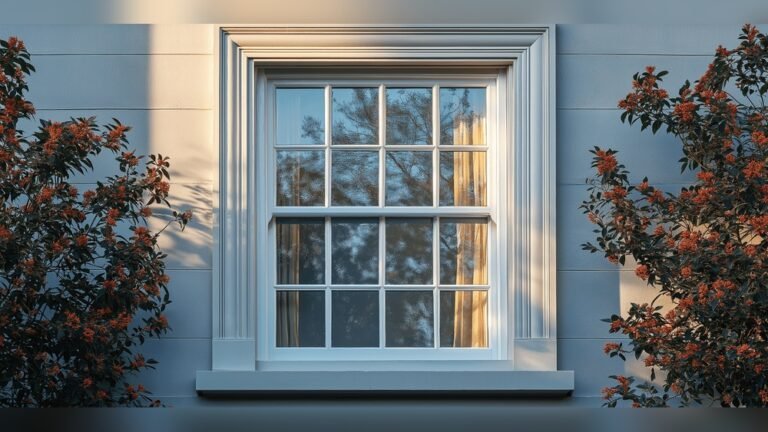
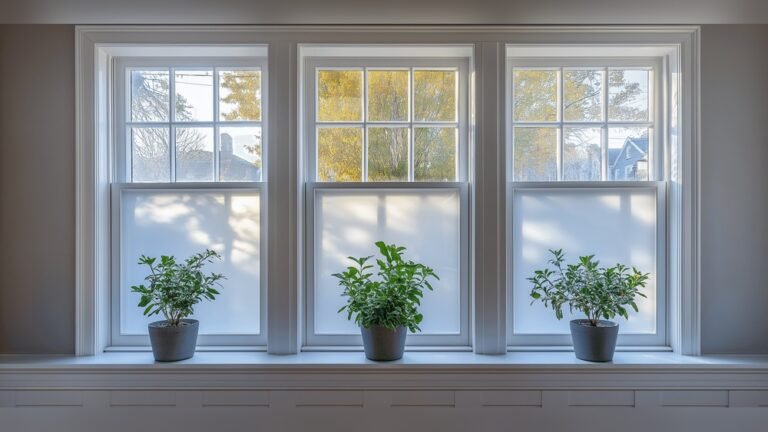
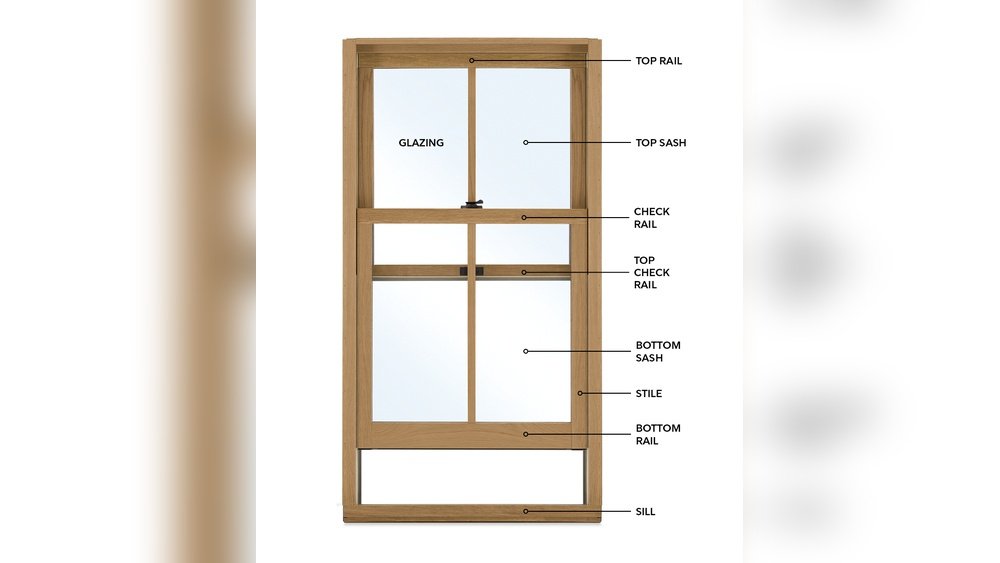
Vertical sliding sash windows consist of two main panels – called sashes – each holding a pane of glass that moves up or down within a fixed frame. Traditional timber sashes are counterbalanced by concealed cast-iron weights and cords; modern versions use spring-loaded spiral balances instead.
This balance system is what makes the sash feel effortless to lift and hold open at any position. When you understand this mechanism, you can diagnose most operational problems yourself before calling a tradesperson.
To open correctly: Unlock the window first, then slide the lower sash upward with a firm, even grip. Never force a stuck sash – this damages the balance system. To close: Return the sash to its original position and engage the lock fully. A properly maintained sash should feel smooth and stay in place at any height without drifting.
Common issues include sashes sticking due to paint build-up or swollen timber, sashes dropping suddenly when cords snap, or windows no longer latching securely because of worn hardware. All of these are addressed in the troubleshooting section below.
UK Pricing for Modern Sash Windows (2025)
Understanding cost is often the deciding factor for homeowners. UK prices vary significantly based on material, glazing specification, and whether the job requires planning consent.
| Window Type | Material | Typical Cost Per Window (Supply & Fit) |
|---|---|---|
| Standard uPVC sash | uPVC | £600 – £900 |
| Timber-look uPVC | uPVC | £800 – £1,200 |
| Hardwood timber sash | Timber | £1,200 – £2,500 |
| Heritage flush sash | Timber / aluminium | £1,500 – £3,500+ |
| Slimline double-glazed | Aluminium | £1,800 – £4,000 |
Prices are indicative averages for a standard 900mm × 1,200mm opening. Multi-window orders typically attract a discount of 10–20%.
According to data aggregated by GreenMatch, the total cost for replacing sash windows across a typical three-bedroom Victorian terrace (eight windows) ranges from £5,500 to £18,000, depending on specification. Which? advises always obtaining a minimum of three quotes from FENSA-registered installers to ensure competitive pricing and guarantee regulatory compliance.
VAT note: The UK government’s zero-rate relief on energy-saving materials – introduced in April 2022 and confirmed until 31 March 2027 – means qualifying double-glazed window installations may be eligible for 0% VAT under HMRC’s relief scheme. Eligibility depends on the specific product and installation circumstances, so confirm with your installer before relying on this saving.
The Heritage Sash Renaissance: What the Numbers Tell Us
Far from being a niche product, sash windows are experiencing a significant market resurgence. Heritage flush sash windows – designed to replicate the slim-sight-line profile of original single-glazed timber units – are among the fastest-growing segments of the UK window market, driven by tightening conservation area enforcement and a structural shift in homeowner expectations around period authenticity.
Installer data and trade body reporting consistently point to strong demand growth in this segment, particularly from homeowners in pre-1940 properties where sash windows are either required by planning condition or chosen as the period-appropriate replacement. Sash windows dominate renovation decisions for Victorian and Edwardian terraces across London, the South East, and major Northern cities – markets where conservation area designations are densest.
This demand is being met by advances in manufacturing. Slim-profile uPVC and aluminium sash frames now closely replicate the proportions of original Victorian and Edwardian glazing bars, making them acceptable to many local planning authorities and conservation officers where traditional-looking windows are required.
Energy Efficiency Ratings: What Modern Sash Windows Can Achieve
One of the most persistent misconceptions about sash windows is that they are inherently inefficient. Modern double-glazed sash windows challenge this directly.
The Energy Saving Trust uses Window Energy Ratings (WERs) on an A++ to E scale – a system administered by the Glass and Glazing Federation (GGF). Here’s how modern sash windows compare:
| Glazing Specification | Typical U-Value | Window Energy Rating |
|---|---|---|
| Single glazed (original) | 4.8 W/m²K | E or below |
| Basic double glazed uPVC sash | 1.8 – 2.0 W/m²K | C |
| Argon-filled double glazed | 1.2 – 1.4 W/m²K | B–A |
| Triple glazed sash | 0.8 – 1.0 W/m²K | A+ |
A window achieving a U-value of 1.4 W/m²K or lower meets current Building Regulations Part L requirements for replacement windows in England. The Energy Saving Trust estimates that replacing single-glazed windows across a semi-detached home with A-rated double glazing can reduce annual heating bills by around £140 per year.
Draught-proofing existing timber sashes – rather than replacing them – remains a cost-effective option, with The Eco Experts citing typical savings of £25–£55 per year for a draught-proofed Victorian sash. For a deeper exploration of this route, read our guide: The Sash Window Dilemma: Repair, Replace or Upgrade to Double Glazing?
Heritage & Listed Building Considerations
If your property is a listed building or sits within a conservation area, the rules around sash window replacement change significantly – and getting this wrong can result in enforcement action, fines, or a costly requirement to reinstate original features.
Listed Buildings: Any alteration to a listed building – including window replacement – requires Listed Building Consent from your local planning authority, regardless of whether planning permission is separately needed. Original sashes should be repaired rather than replaced wherever structurally viable. Where replacement is unavoidable, like-for-like materials, profiles, and glass specifications are typically required.
Conservation Areas: Replacing windows here does not automatically require planning permission, but permitted development rights can be removed by Article 4 Directions – which many local authorities apply in conservation areas. Always check with your Local Planning Authority (LPA) before ordering.
Practical guidance:
- Seek pre-application advice from your LPA – it’s usually free and avoids costly mistakes
- Use a joinery specialist with demonstrable heritage experience
- Consider secondary glazing as a fully reversible, consent-free energy upgrade (read more: Authenticity Meets Efficiency: How Modern Double-Glazed Sash Windows Preserve Period Charm)
- Slim-profile double-glazed units with authentic putty lines and working sash horns are increasingly accepted by conservation officers where energy efficiency improvements are genuinely needed
The GGF’s heritage glazing guidance and Historic England’s published advice both provide detailed frameworks for navigating these requirements sensitively.
Sash Windows vs. Tilt-Turn Windows: Which Is Right for Your Home?
A common question from homeowners replacing period windows is whether to stay with sash windows or move to tilt-turn alternatives. Here’s a clear comparison:
| Feature | Vertical Sliding Sash | Tilt-Turn |
|---|---|---|
| Period aesthetic compatibility | Excellent | Poor (modern appearance) |
| Ventilation control | Moderate (top & bottom open) | Excellent (tilt for purge, turn for full open) |
| Cleaning access | Limited (some tilt-in models available) | Excellent (full inward opening) |
| Security | Good (with modern locks) | Excellent (multi-point locking standard) |
| Energy efficiency | A-rated achievable | A+ to A++ more easily achievable |
| Conservation area suitability | High | Low |
| Cost (supply & fit, per window) | £600 – £4,000 | £400 – £1,500 |
| Maintenance complexity | Moderate | Low |
The verdict: For pre-1940 properties – particularly those in conservation areas or with planning restrictions – sash windows remain the superior choice aesthetically and regulatorily. Tilt-turn windows offer better thermal and ventilation performance and are easier to clean, making them well-suited to post-war and new-build properties where heritage character isn’t a consideration. If you’re undecided on draught management specifically, our guide Stop the Rattle: A Comprehensive Guide to Draught-Proofing and Soundproofing Your Sash Windows covers the gap comprehensively.
Maintenance: The Routines That Add Years to Your Sash Windows
Routine Cleaning
Clean glass with a soft cloth and mild detergent. Avoid abrasive or acidic products. Clear debris from the sliding channels using a vacuum brush attachment, then dry all surfaces thoroughly to prevent water ingress into timber frames.
Lubrication and Hardware
Apply a silicone-based lubricant (never oil-based – it attracts dirt) to pulleys, spiral balances, cords, and lock mechanisms. Check that all screws are seated tightly and replace any hardware showing signs of rust or corrosion immediately. The HSE’s work at height guidance applies when carrying out any maintenance at upper-floor level – use appropriate access equipment and avoid overreaching from ladders.
Timber-Specific Checks
For traditional timber frames, inspect annually for paint failure, wet rot, or cracked putty. Unpainted or poorly maintained timber can harbour mould – the NHS advises that damp and mould can trigger or worsen respiratory conditions, making prompt repair a health priority, not just an aesthetic one.
Seasonal Checklist
- Spring: Deep clean all tracks and channels; test balance function; inspect cords for fraying
- Autumn: Clear debris; check weatherstripping; reseal draught gaps with brush pile or compression seals
- Winter: Monitor for draught ingress; check that condensation isn’t indicating failed seals in double-glazed units
Security: Upgrading Your Sash Windows Against Forced Entry
Sash windows have historically been considered a weak point in home security, but modern upgrades change this picture substantially.
Lock selection: Choose key-operated sash locks that secure both sashes together – avoid basic cockspur latches, which offer minimal resistance to forced entry. For the highest level of protection, look for products that are PAS 24-rated or carry Secured by Design accreditation, which are independently tested against forced entry methods. Sash stops, anti-lift devices, and laminated glass all add meaningful layers of security at relatively low cost.
Sash stops and anti-lift devices: Sash stops restrict how far the lower sash can be opened – useful for ventilation without compromising security. Anti-lift pins prevent sashes from being lifted out of their frames, a known point of vulnerability on older installations.
Glass upgrading: For ground-floor or accessible windows, consider laminated or toughened glass. Laminated glass holds together when broken, dramatically slowing forced entry. Security window film applied to existing glass provides a lower-cost alternative with similar retention properties.
Smart detection: Window contact sensors and vibration alarms integrate easily with modern smart home systems, providing an immediate alert if a window is opened unexpectedly.
Installer Certification: What to Check Before You Buy
Always verify that your chosen installer is registered with either FENSA or Certass – the two government-authorised schemes that allow installers to self-certify compliance with Building Regulations Part L. Without this, the responsibility for building regulations approval falls on you as the homeowner, typically incurring an additional local authority fee of £150–£300 and potential delays.
FENSA and Certass registration also provides consumer protection, including deposit protection and access to a redress scheme if work is unsatisfactory. MoneySavingExpert recommends checking both certification status and reviews on Trustpilot or Checkatrade before committing to any window installation contract.
Frequently Asked Questions About Sash Windows
The questions below are structured to match common search queries and People Also Ask patterns. Each answer is written to be extracted directly by AI-generated search responses.
How much do sash windows cost in the UK in 2025?
Sash windows cost between £600 and £4,000 per window (supply and fit) in the UK, depending on material and glazing specification. Standard uPVC sash windows sit at the lower end (£600–£900), while heritage timber or slimline aluminium units with slim-profile double glazing can reach £3,500–£4,000 per window. A full replacement project for a three-bedroom Victorian terrace typically ranges from £5,500 to £18,000 according to GreenMatch.
Do I need planning permission to replace sash windows?
In most cases, no – replacing like-for-like windows is covered by permitted development rights. However, there are two important exceptions. If your property is listed, you will need Listed Building Consent regardless of the scale of work. If your property is in a conservation area where an Article 4 Direction has been applied, permitted development rights are removed and you will need planning permission. You can check whether an Article 4 Direction applies to your address via your local authority’s planning portal or at planningportal.co.uk. When in doubt, seek free pre-application advice from your Local Planning Authority before ordering.
Are sash windows energy efficient?
Modern double-glazed sash windows can achieve Window Energy Ratings of B to A+ and U-values as low as 0.8 W/m²K (triple glazed), which comfortably meets Building Regulations Part L requirements. The Energy Saving Trust estimates that upgrading from single-glazed to A-rated double-glazed windows across a semi-detached home can reduce annual heating costs by around £140. Secondary glazing on existing timber sashes – a consent-free option – typically saves £25–£55 per year according to The Eco Experts.
How do I know if my sash window installer is certified?
Check that your installer is registered with either FENSA or Certass – both are government-authorised Competent Person Schemes that allow registered installers to self-certify compliance with Building Regulations. Without this, you are responsible for obtaining building regulations approval through your local authority, which adds cost and delay. Both FENSA and Certass provide searchable installer directories on their websites and include consumer protection as part of their registration requirements.
How long do sash windows last?
Well-maintained hardwood timber sash windows can last 60–100 years or more; many original Victorian sashes still in service today are over 120 years old. uPVC sash windows carry typical manufacturer warranties of 10–25 years and have an expected functional life of 20–35 years before frame degradation becomes significant. The critical factors in longevity are regular repainting or resealing of timber frames, prompt replacement of sash cords before they fail, and annual inspection of glazing seals and weatherstripping. Neglected timber frames that develop wet rot will fail substantially sooner and can be costly to restore.
Can sash windows be fitted with double glazing without losing their period appearance?
Yes. Slim-profile double-glazed units – manufactured to replicate the narrow sight lines of original single-glazed Victorian sashes – are now widely available from heritage window specialists. These units typically achieve U-values of 1.2–1.8 W/m²K while maintaining the authentic proportions of the original frame, including working sash horns and putty-line detailing. Many conservation officers now accept these units as a like-for-like replacement where genuine energy efficiency need can be demonstrated. For a detailed look at how this works in practice, read Authenticity Meets Efficiency: How Modern Double-Glazed Sash Windows Preserve Period Charm.
Conclusion: Sash Windows Remain One of the UK’s Best-Value Period Upgrades
Vertical sliding sash windows occupy a genuinely distinctive position in the UK housing market – they are simultaneously a planning requirement for millions of period homeowners, a heritage asset that affects property value and character, and (in modern double-glazed form) a credibly energy-efficient solution that meets current regulations.
Their enduring relevance is reflected in sustained market demand, particularly for heritage flush sash designs that meet the exacting requirements of conservation area planners. The manufacturing improvements of the last decade – argon-filled slim-profile units, A-rated spiral balance mechanisms, laminated security glass options – mean the gap between heritage authenticity and modern performance has largely closed.
Invest in certified installation, maintain them on a seasonal schedule, upgrade hardware where it shows wear, and you’ll have windows that perform well, look right, and hold their value for the life of the building.
Explore more in our sash window content hub:
- The Sash Window Dilemma: Repair, Replace or Upgrade to Double Glazing?
- Authenticity Meets Efficiency: How Modern Double-Glazed Sash Windows Preserve Period Charm
- Stop the Rattle: A Comprehensive Guide to Draught-Proofing and Soundproofing Your Sash Windows
Sources referenced in this article:
- Energy Saving Trust – Window Energy Ratings
- GOV.UK – Building Regulations Approval
- HMRC – VAT on Energy Saving Materials
- FENSA – Certified Window Installers
- Glass and Glazing Federation
- Certass – Competent Person Scheme
- Which? – Window Reviews & Buying Guides
- MoneySavingExpert – Home Improvement Finance
- GreenMatch – Window Cost Comparisons
- The Eco Experts – Secondary Glazing & Repairs
- HSE – Work at Height Guidance
- NHS – Damp and Mould Health Advice